While the western was a hugely popular genre (some figures have the genre comprising up to 1/5th of the total output from Hollywood through the 1950s – call it the MCU of the classic era) it declined sharply in the 1960s. About that time the Europeans, especially the Italians, picked up the western handle and made many more films in the genre – some were great like Sergio Leonne’s Man with No Name Trilogy, but many were pretty terrible.
But in America, the western pretty much died out. Oh here and there a new western would pop up, but they were no longer the preeminent genre and have never regained that title.
Somewhere between the peak of western popularity and the death of it, there began a new kind of western, call it revisionist western. Where classic westerns tended to side with the Europeans in things like Manifest Destiny and treated the natives with contempt – making them faceless, nameless hordes of blood-thirsty monsters – revisionist westerns saw things differently. They dealt in shades of gray instead black and white.
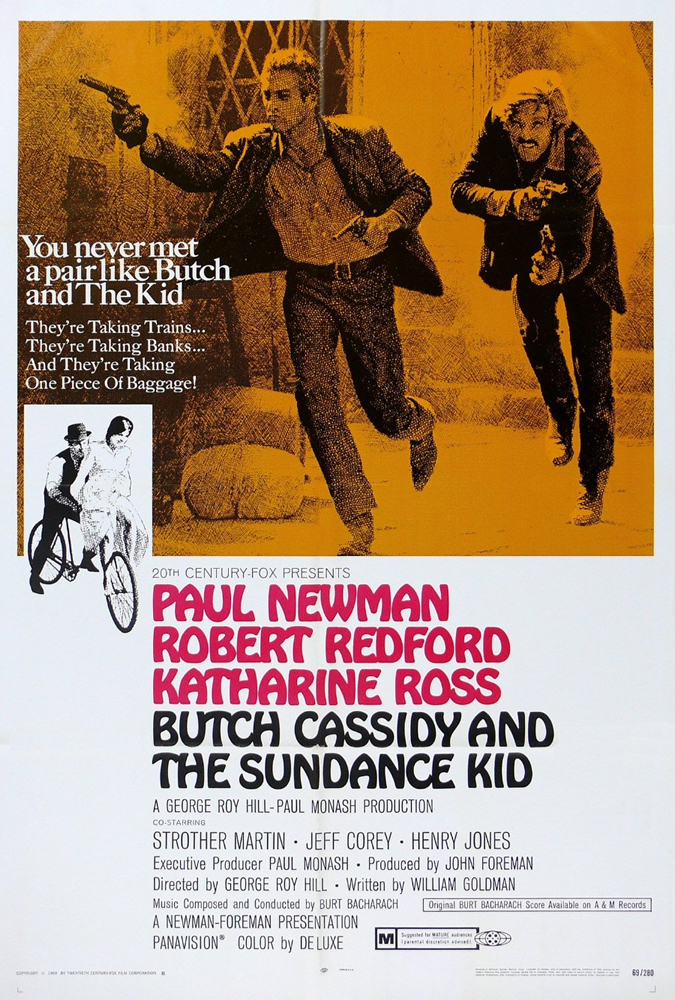
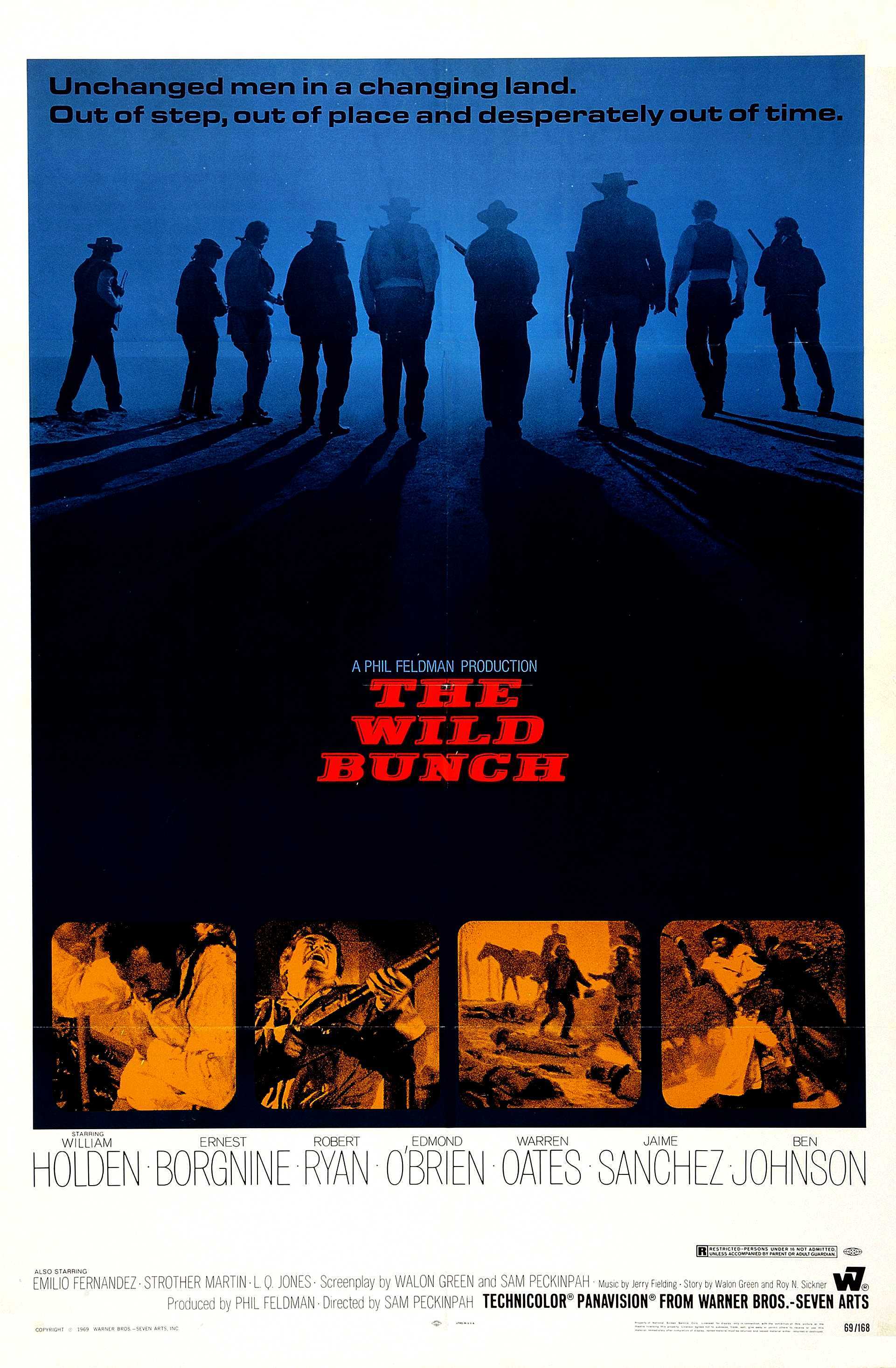
Last week I watched two revisionist westerns from 1969. While they both subvert the classic western tropes, they are vastly different in the stories they tell and the tone in which they take. Call them two sides of the same coin. I thought it would be fun to talk about them both in this post.
The Wild Bunch is a pessimistic, dark, and violent film. It begins with a group of children watching with glee some scorpions get devoured by a million ants. A little later they will set them all on fire. In between those moments, we watch The Wild Bunch (led by William Holden and Ernest Borgnine) rob a bank. A posse (led by Robert Ryan) hired by the railroad to stop the Bunch opens fire as soon as they come out. They kill some of the gang, but a bunch of innocent citizens as well.
The movie, as directed by Sam Peckinpah, seems to announce, This is Not Your Daddy’s Western. Classic westerns were violent – there was plenty of gunplay and death – but they tended to not be particularly bloody. When a man was shot rarely do you see a bullet hole in his clothes, much less blood spurting out. I reckon half The Wild Bunch’s budget was spent on squibs and fake blood.
Butch Cassidy and the Sundance Kid begins with a card game. Sundance (Robert Redford) is winning but is accused of cheating. Butch (Paul Newman) tries to tell him to just let it go, but Sundance can’t. The confrontation ends with Sundance literally shooting the pants (or the belt, rather) right off his accuser. It is a completely unrealistic maneuver (the bullet would easily go through the belt and into the man, but doesn’t) but it sets the playful, humorous tone of the entire film.
Butch and Sundance spend most of the film wisecracking and generally having fun being outlaws. The Wild Bunch often laughs, but it is a desperate laugh, the laugh of men headed toward their demise.
Not to spoil both films, albeit ones that are more than 50 years old and such a part of the cultural zeitgeist you likely know how they both end, but all of these characters are headed toward their demise. None of our heroes live out their lives in peace and prosperity. Part of what revisionist westerns often did, and these two films in particular definitely do, is recognize that life in the Old West was often short and very violent. They also act as codas of sorts to the western genre itself.
It is fascinating how these two films are saying similar things but in such different ways. The Wild Bunch is realistic, dark, and gritty. Butch and Sundance is a light, buoyant, and joyful. I love them both, but on any particular day I’m gonna reach for Butch Cassidy far more often than The Wild Bunch.


 themidnightcafe.org