
Like most kids, I suppose I grew up watching animation. I loved Disney films and the movies of Don Bluth. Every afternoon and Saturday morning I watched television series like G.I. Joe, Thundercats, The Smurfs, and Muppet Babies. Later I fell in love with the films from Pixar.
While these types of films told different stories and used somewhat different animation styles, they all held a certain familiarity. They were all distinctly American.
Princess Mononoke was the first Studio Ghibli film I’d ever seen. This was the late 1990s, maybe or possibly early 2000. I was just becoming a true cinephile. I’d heard rumblings about Studio Ghibli for a while but I think this was the first big breakout it had in the States. Or maybe just in my orbit. It definitely got a big American release because the English dub included folks like Billy Crudup, Billy Bob Thornton, Claire Danes, and Gillian Anderson.
Anyway, I sat down with Princess Mononoke with high hopes. All the critics loved it. Honestly, I was a little disappointed. No, disappointed isn’t really the right word. I just didn’t know what to make of it. It was like no movie I’d ever seen before.
The animation was strange. In the opening scene, a demon attacks a village. But it doesn’t look like any demon I’d ever seen before. It wasn’t full of fire and horns. It was an enormous boar covered in slithering black worms. Later we meet tree spirits with human bodies and rattle-like heads, and a Great Forest Spirit with a deer-like body and an almost human face.
The story wasn’t like typical American animation with clear-cut good and bad guys. The characters were murkier. Our hero sometimes brutally murdered his enemies. The villain, if you can even call her that, rescued young women from a life of prostitution.
I think on that first viewing I just didn’t know how to process what I was watching. It was so different than anything else I’d ever seen, I wasn’t sure of what to make of it.
I’ve seen it several more times since then (and many more Studio Ghibli films) and now I just love it. What was so strange on that first viewing is endearing to me now. I love that it is different from most animated films.
So, quickly, the story involves Ashitaka (Crudup) the last prince of a small village (the one that gets attacked by that demon). He kills the demon and in the process, his arm is infected by it. This gives him super strength, but also seems to possess him at times and ultimately will kill him. When he learns that an iron ball lodged inside its body is what turned the Boar God into a demon he sets off to find out how it got lodged there.
The iron ball was actually a bullet from the newly invented gun (the film is set vaguely in the time before modern warfare) and it came from Iron Town, which is run by Lady Iboshi (Minnie Driver). She’s ostensibly the villain. But she’s also the one I was talking about earlier who has rescued women from a life of prostitution and given them a certain amount of autonomy. She also uses old men, warn down by disease and injury in her town. In many ways, she’s a good person. But she also has no problem destroying nature (and the gods that protect it) to enrich herself.
Ashitaka is ostensibly our hero, and yet we see him cut the heads off of numerous soldiers (accidentally, sort of – his demon-possessed arm gives him super strength which does most of the brutal damage but he’s still out to kill them.)
It is a movie filled with morally ambiguous characters, people who aren’t fully good or fully evil. They are complex, just like real people. And those gods? They have no problem with destruction either. The Great Forest Spirit indiscriminately kills.
The titular Princess (Claire Danes) is a human girl, raised by a wolf goddess and she hates humans. She wants to destroy them.
I love that. It is a complex, beautifully drawn story. The animation, while strange to my American eyes at first is beautiful as well.
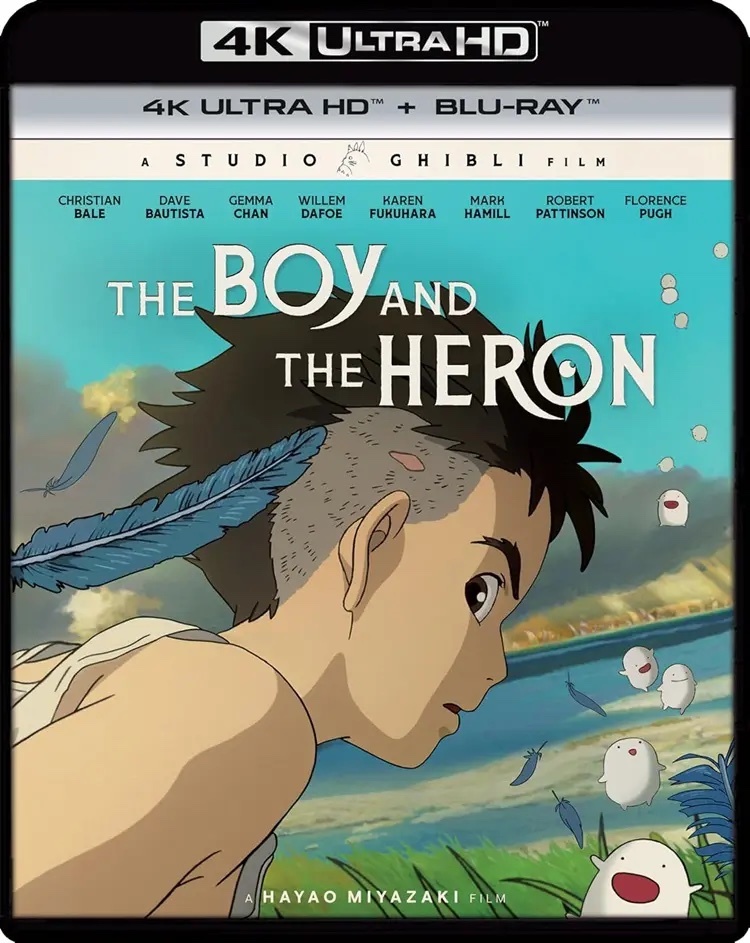
Hayao Miyazaki who founded Studio Ghibli, and wrote/directed this film is one of the greatest animators of all time. I won’t say Princess Mononoke is his greatest achievement, but I won’t deny it either.


 themidnightcafe.org