My Week in Movies March 19-25, 2033

butch cassidy and the sundance kid poster

I watched ten movies last week, seven of which were new to me. Two of which were westerns that I will talk about later this week in more depth.

The Wild Bunch (1969): Sam Peckinpah made several westerns before this one, but this is his masterpiece, the culmination of his thoughts on the genre. It is brutally violent, dark, cynical, and pretty fantastic. I’ll have more thoughts on it when I write my full review.

Small Town Crime (2017): A small, twisty, noir-tinged thriller starring John Hawkes as a disgraced, alcoholic former cop who discovers a body on the side of the road. He convinces the girl’s father (Robert Forster) to let him work the case as a private detective. The case gives him a new lease on life to actually do something besides drink himself into an early grave. The plot is pretty standard stuff, but it is done well and Hawkes is great as usual. I’d love to see him in an HBO-type series where he solves crimes every week.

Double Indemnity (1973): A television remake of the classic film noir with Richard Crenna in the Fred MacMurray role, Samantha Eggar taking over the Barbara Stanwyck part, and Lee J. Cobb as Edward G. Robinson. It follows the original script pretty closely (though it does edit parts out to cut down on the total time), but pales in comparison.

But it isn’t as bad as it’s been made out to be. It is a perfectly serviceable TV movie. If the original didn’t exist this would be, well it would be completely forgotten as it isn’t good enough to really be remembered, but if you picked it up in the $2 DVD bin you wouldn’t think it was a waste of your money.

But since the original does exist there is no real reason to watch it other than to make you realize how perfect the original is in every way. I watched it because it came as an extra on my Blu-ray of the original and I was curious about it.

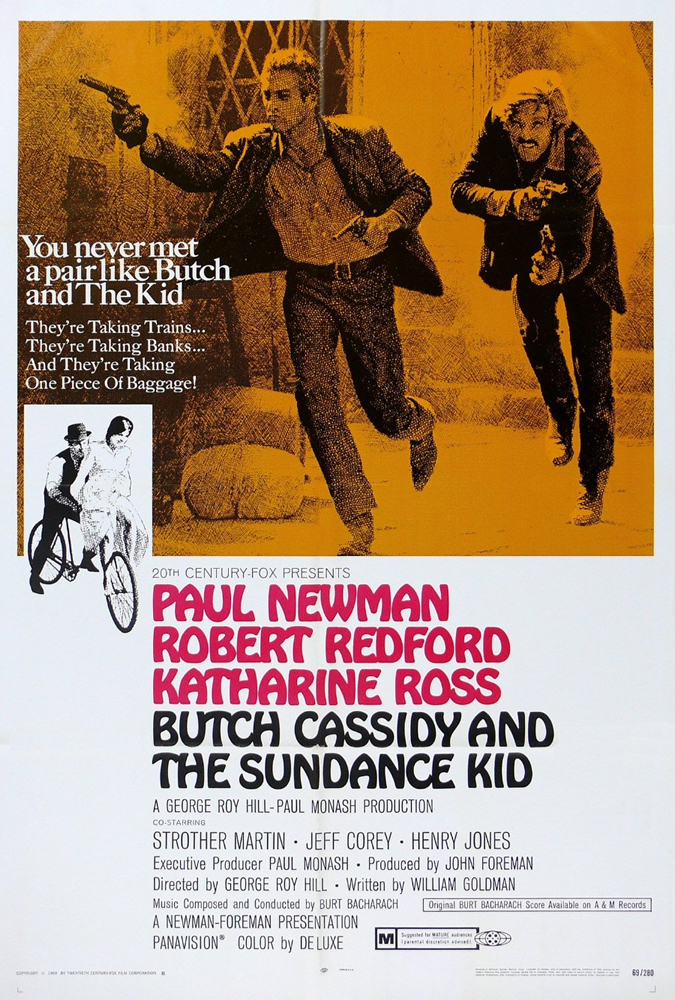
Butch Cassidy and the Sundance Kid (1969): One of my favorite westerns. It feels like the opposite side of the same coin The Wild Bunch comes from. This is a lot more fun to watch and Paul Newman and Robert Redford have never been more charming.

The Lodger: A Story of the London Fog (1927): Alfred Hitchcock’s first big hit and his first truly Hitchcockian film has been a gaping hole in my cinematic knowledge for far too long. I remedied this week and I can’t really fathom why it took me so long.

The plot follows a London family after they have taken in a mysterious lodger who might just be a Jack the Ripper-style killer. It is full of creeping dread and suspense while utilizing what would become many of the director’s trademark styles. Even without sound, he proves himself a master of camera placement and movement, and editing.

Barbarian (2022): A pretty terrific little horror film that I talked about in my Friday Night Horror piece.

Sabotage (1939): The Lodger got me into the mood for another early Hitchcock film. I’d seen this one before but it is so worth watching again. It is about a man who is enlisted by foreign agents to commit acts of sabotage in London. It follows his wife and a young police detective as they try to determine whether or not that’s actually true.

Strangely, this one doesn’t seem all that beloved by Hitchcock fans and classic movie nerds, but I love it. It is full of that classic Hitchcock suspense and it makes great use of its setting (the family runs an old movie theater.)

Excalibur (1981): I have this distinct little memory of my mother renting this movie when I was a kid. I was very excited to watch it because it had knights in shining armor and wizards and it looked really cool. But Mom watched it before me and decided that the nudity, sex, and violence were not appropriate for little old me. I was so disappointed.

That memory has stayed with me, but I somehow only got around to watching the film now. What a strange, long, freaky movie it is. The plot is a retelling of the King Arthur myth. It looks great, the set design is wondrous and the lighting and camera placement are all really interesting. But the story just plods along and the action is clumsy at best.

John Boorman directed it. He made Zardoz a few years earlier. It is just as weird and stylish but its actually good.

Gold Diggers of 1933 (1933): Joan Blondell and Dick Powell star in this wonderful little musical with choreography from Busby Berkeley. The film opens with Blondell, Ginger Rogers and a host of chorus girls decked out in dresses made of gold coins singing “We’re in the Money” and it just gets better from there.

Every Secret Thing (2014): Two very young girls are convicted of kidnapping and then murdering a baby. Years later, just after they are released from juvenile correction another little girl goes missing. The story moves from the first crime to the next connecting how what we did in our past influences who we are and what we can do in our present and future.

Did you all watch anything interesting this week?
Westerns In March: The Wild Bunch(1969) & Butch Cassidy and the Sundance Kid (1969)

butch cassidy movie posterthe wild bunch poster

While the western was a hugely popular genre (some figures have the genre comprising up to 1/5th of the total output from Hollywood through the 1950s – call it the MCU of the classic era) it declined sharply in the 1960s. About that time the Europeans, especially the Italians, picked up the western handle and made many more films in the genre – some were great like Sergio Leonne’s Man with No Name Trilogy, but many were pretty terrible.

But in America, the western pretty much died out. Oh here and there a new western would pop up, but they were no longer the preeminent genre and have never regained that title.

Somewhere between the peak of western popularity and the death of it, there began a new kind of western, call it revisionist western. Where classic westerns tended to side with the Europeans in things like Manifest Destiny and treated the natives with contempt – making them faceless, nameless hordes of blood-thirsty monsters – revisionist westerns saw things differently. They dealt in shades of gray instead black and white.

Last week I watched two revisionist westerns from 1969. While they both subvert the classic western tropes, they are vastly different in the stories they tell and the tone in which they take. Call them two sides of the same coin. I thought it would be fun to talk about them both in this post.

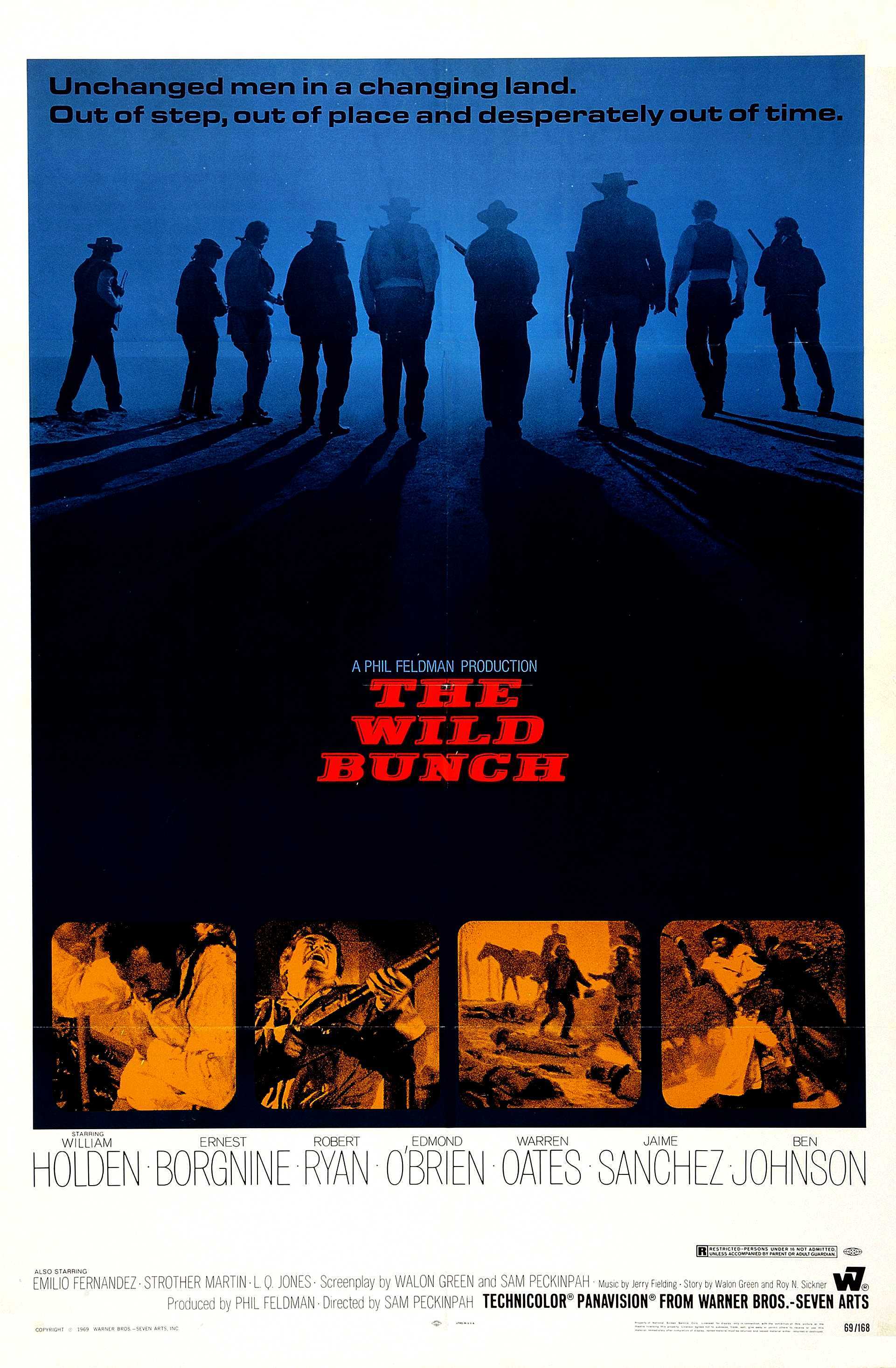
The Wild Bunch is a pessimistic, dark, and violent film. It begins with a group of children watching with glee some scorpions get devoured by a million ants. A little later they will set them all on fire. In between those moments, we watch The Wild Bunch (led by William Holden and Ernest Borgnine) rob a bank. A posse (led by Robert Ryan) hired by the railroad to stop the Bunch opens fire as soon as they come out. They kill some of the gang, but a bunch of innocent citizens as well.

The movie, as directed by Sam Peckinpah, seems to announce, This is Not Your Daddy’s Western. Classic westerns were violent – there was plenty of gunplay and death – but they tended to not be particularly bloody. When a man was shot rarely do you see a bullet hole in his clothes, much less blood spurting out. I reckon half The Wild Bunch’s budget was spent on squibs and fake blood.

Butch Cassidy and the Sundance Kid begins with a card game. Sundance (Robert Redford) is winning but is accused of cheating. Butch (Paul Newman) tries to tell him to just let it go, but Sundance can’t. The confrontation ends with Sundance literally shooting the pants (or the belt, rather) right off his accuser. It is a completely unrealistic maneuver (the bullet would easily go through the belt and into the man, but doesn’t) but it sets the playful, humorous tone of the entire film.

Butch and Sundance spend most of the film wisecracking and generally having fun being outlaws. The Wild Bunch often laughs, but it is a desperate laugh, the laugh of men headed toward their demise.

Not to spoil both films, albeit ones that are more than 50 years old and such a part of the cultural zeitgeist you likely know how they both end, but all of these characters are headed toward their demise. None of our heroes live out their lives in peace and prosperity. Part of what revisionist westerns often did, and these two films in particular definitely do, is recognize that life in the Old West was often short and very violent. They also act as codas of sorts to the western genre itself.

It is fascinating how these two films are saying similar things but in such different ways. The Wild Bunch is realistic, dark, and gritty. Butch and Sundance is a light, buoyant, and joyful. I love them both, but on any particular day I’m gonna reach for Butch Cassidy far more often than The Wild Bunch.

The Birthday Haul

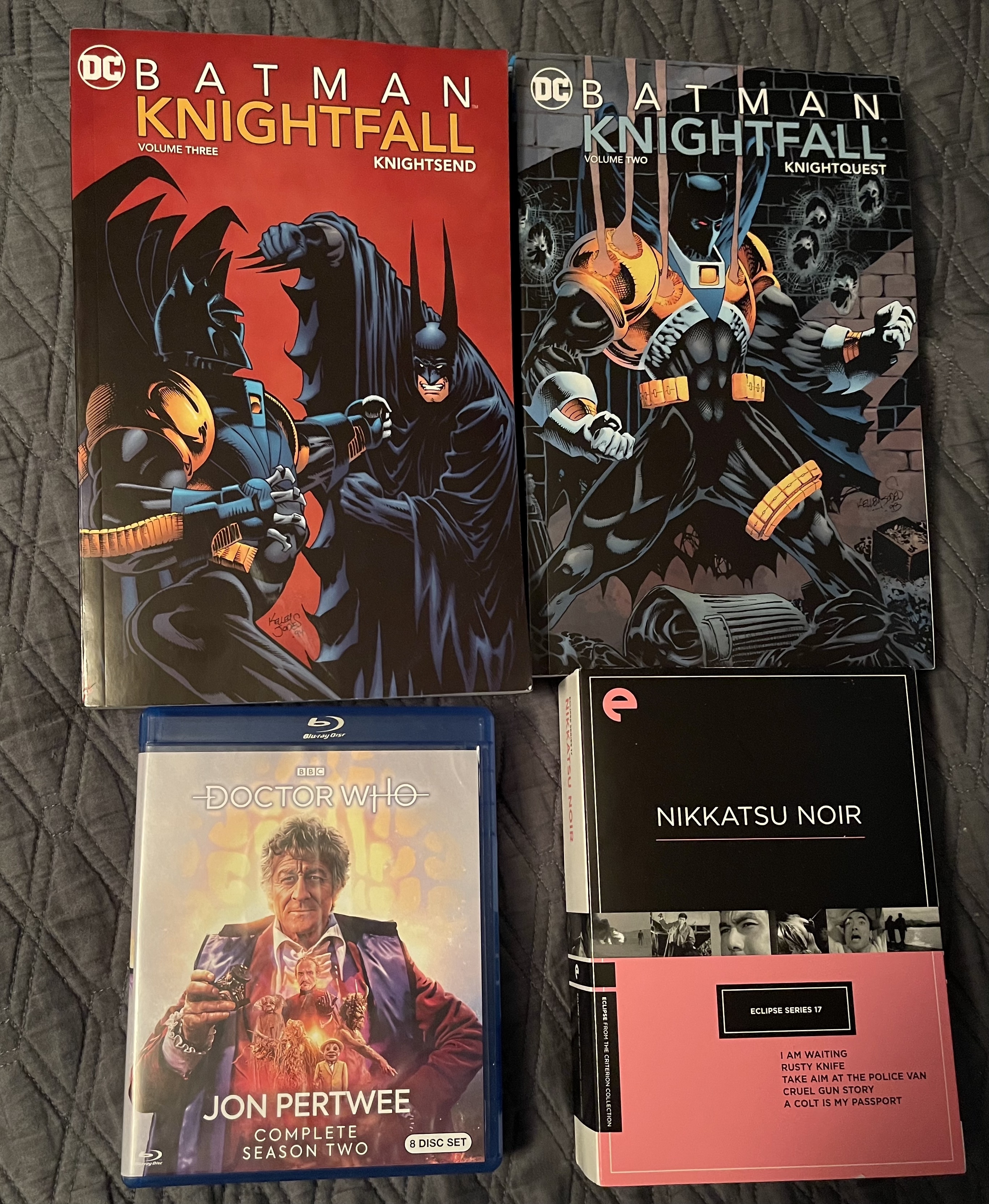
blurays and comic books

As I mentioned in today’s bootleg post it is my birthday. Birthdays aren’t a big deal to me, so we didn’t do anything too exciting. We had plans to see Bill Frisell in a little club, which would have been awesome, but the budget has been tight of late, so that wasn’t in the works.

Instead, the wife bought me a few gifts and it was a lovely day and we went to the park. The daffodils were blooming and they were wonderful.

Thanks to everyone who wished me a happy day, it was a good one.

The Friday Night Horror Movie: Barbarian (2022)

barbarian movie

It is very rare that a movie surprises me. Rarer still is a horror movie that surprises. Barbarian surprised me at least twice and left me breathless on multiple occasions. We’re not talking jump scares – though there are plenty of those – or just general weirdness (though it is a deeply weird movie). Barbarian surprised me in ways that supplanted my expectations. In the best possible ways. That it doesn’t quite stick its ending, and that its Horror was a little too much for me, doesn’t change the fact that this is exactly the kind of horror movie I love to see.

It is also a movie that truly is best seen completely cold, so I will do my best to remain vague and spoiler free.

Tess (Georgina Campbell) travels to Detroit for a job interview. She books an Airbnb and arrives late at night in the pouring rain. The lockbox opens but is missing the key. The rental agency does not answer the phone. Just as she’s leaving, a man, Keith (Bill Skarsgård), opens the door. Turns out he also rented the place for the night.

Being in a strange city, in the middle of the night, during a rainstorm, finding herself stuck staying in a house with a complete stranger doesn’t exactly make Tess feel comfortable. The film has a lot of interesting things to say about the ways men and women must travel through the world in different ways to feel safe.

It also does a great job of building tension around this situation. We (and therefore Tess) are never quite sure whether or not Keith is a potential friend or a danger. In order to not spoil what comes next I’ll fast forward to a second story the movie tells.

But let’s just say this is a horror story.

AJ Gilbrade (Justin Long) is a working actor – not quite rich and famous yet, but he’s getting there. He’s introduced driving a convertible down an ocean-side highway singing along to Donovan’s “Riki Tiki Tavi.” A phone calls interrupts this happy moment and he’s informed that his costar on his upcoming television series has accused him of sexual misconduct.

Losing that job and basically becoming untouchable to everyone else, AJ realizes he needs to liquidate some things fast in order to have the money to live on while things get sorted. Queue him traveling to Detroit to sell one of his rental properties.

Guess which house is his?

The two stories intersect but again it goes in directions I was not expecting at all.

Justin Long is a likable actor and we naturally assume that his declarations of innocence over the misconduct allegations are true. The film teases out what actually happened in some really interesting ways, and makes some comparisons to…well, again I don’t want to spoil anything.

I’ll say no more about the plot. Writer/director Zach Cregger has created a most interesting story and found ways to interject something new into some pretty familiar-sounding horror tropes. As a director, he creates a good sense of space and an eerie sense of mood and creeping horror.

The jump scares mostly worked on me but they were the least interesting aspects of the film. Likewise, the actual horror parts of the film, by which I mean the more atypical scary parts of the movie (sorry, I do want to be vague and that makes it difficult to say what I mean just here) were a little too over the top for my tastes. But otherwise I completely fell for this film.

Watch Scary Pockets Perform “Purple Rain”

When I’m not watching movies or posting shows, I sometimes turn on Youtube and look for good music. There is a whole cottage industry of folks playing cover songs on a regular basis and racking up pretty sizable followings.

Scary Pockets is one of my favorites. They are from Los Angeles and they do funkified versions of all kinds of pop songs. I really dig them and thought you might too. This is their version of Prince’s “Purple Rain”.

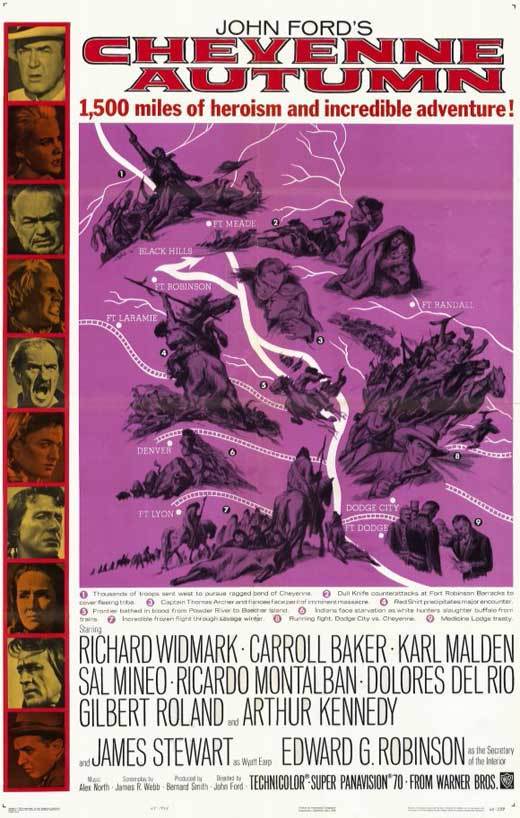
Westerns In March: Cheyenne Autumn (1964)

cheyenne autumn poster

John Ford made some of the greatest westerns ever made. From Stagecoach (1939) to My Darling Clementine (1946), The Man Who Shot Liberty Valence (1962) to The Searchers (1956) Ford proved over and over again to be a master of his craft, and of telling stories about the wild west and the men (and women) who tamed it.

Unfortunately, like so many western filmmakers at the time his films were not always kind to the Indians. All too often the Native Americans in western movies were faceless savages bent on raping and killing the white man. They were rarely made into full characters and very little attention was paid to the fact that the white man was invading the Indian’s territory and homeland.

In later years Ford seemed to have recognized his flaws in this area and at least in some ways he tried to make amends. In The Searchers John Wayne plays a pretty repugnant racist and his quest to rescue his niece, who has been captured by some Comanche Indians, allows the film to raise questions about the inherent racism of Manifest Destiny and America’s unrelenting quest to capture the entire country.

With Cheyenne Autumn, Ford’s last western and his penultimate film as a director, he depicts the historical event of the Northern Cheyenne Exodus in 1877 where a group of Indians decided to move from Oklahoma Territory back to their homeland in Wyoming. His depiction of the Indians is sympathetic and demonstrates just how awful the American government treated them.

Unfortunately, the film is overlong, rather dull, and still a bit racist. The two main Indian characters, Red Shirt and Little Wolf are played by Sal Mineo and Ricardo Montalban respectively – two very much not Indian actors (Mineo was of Italian descent and Montalban was Mexican born). The film’s focus likewise is on the white characters with the Indian characters playing second fiddle in their own story.

I could be more forgiving of most of this if the film was actually any good. Instead, it is slow, plodding, and contains one of the most unnecessary side stories I’ve ever witnessed.

The film begins with the Cheyenne on a reservation in Oklahoma. The land is arid and infertile. The people are sick and starving. Some delegates from Washington are supposed to meet them and discuss what can be done. But they don’t show and the Cheyenne decide to go home.

The trip is long and arduous. They must travel in desolate areas so as to not be seen by one of the many Army Forts along the way. Starving, some of them decide to turn themselves in at one of those forts. Though the Captain is sympathetic to their needs he has orders to turn them right around and send them home. Sickness, starvation and the brutal winter weather be damned.

There is some business about the press drumming up hysteria by printing falsehoods about the number of Cheyenne on the march and their ill intentions. Many of the soldiers on the ground (led by Richard Widmark) tend to be sympathetic to the plight of the Cheyenne but have their hands tied by forces in Washington.

Etc. and so on. Ford shot some of it in and around Monument Valley and Arches National Park and he gives the scenery his usual widescreen glory. But the story just never congeals into something interesting.

At one point, out of nowhere comes a scene with James Stewart playing Wyatt Earp and Arthur Kenney as Doc Holiday. It has absolutely nothing to do with the rest of the film and is completely comic in tone (the rest of the film is utterly dramatic) and then it just ends and we never see them again.

Somewhere buried in there is a film that could have been great. The story of the Cheyenne’s exodus is a fascinating one and could make an excellent film. This is not that film and what we’re left with is the thought that Ford’s legacy left a whole lot of other films that are far greater than this one.

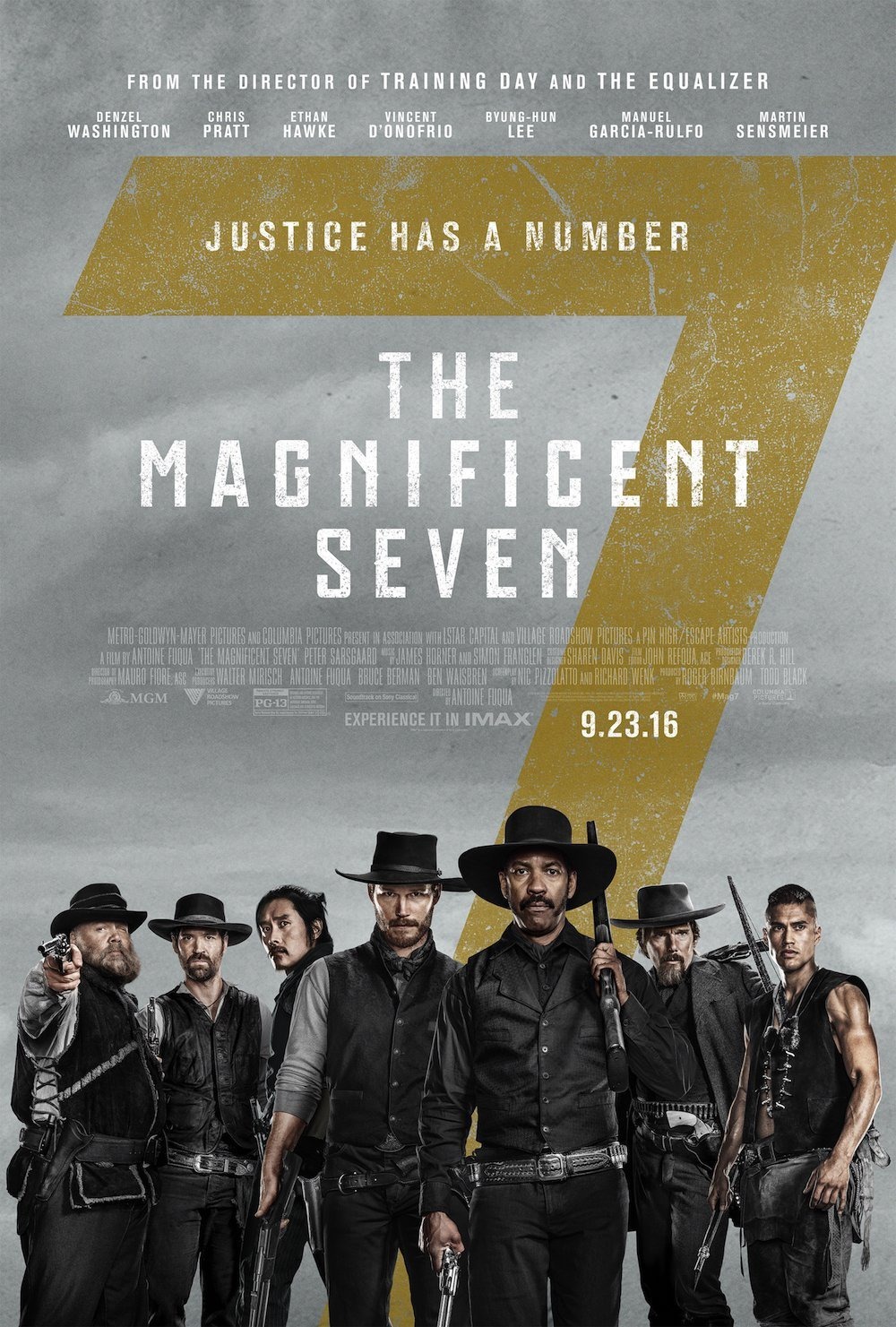
Westerns in March: The Magnificent Seven (2016)

magnificent seven poster

Seven Samurai (1954) is one of my all-time favorite films. It would easily make my Top 5 list. It is full of adventure and action, romance and comedy. It has some of the best camerawork of any film and its themes of loyalty and justice, honor and duty speak directly to me. Its plot – that of a poor farming village hiring a group of masterless samurai to protect them from thieving bandits – has been the template for countless other films.

Its Japanese director, Akira Kurosawa, was greatly influenced by American cinema, especially the westerns of John Ford and Howard Hawks so it makes sense that an American, John Sturges, would turn the Seven Samurai into a western.

The Magnificent Seven (1960) turns the samurai into cowboys who are hired by poor Mexican farmers to protect them from some thieving bandits. It loses some of the thematic weight of Kurosawa’s film but it has a great cast (Including Yul Brynner, Steve McQueen, and Charles Bronson), a fantastic soundtrack from Elmer Bernstein and its a lot of fun to watch.

Hollywood seems to do nothing much anymore but make comic books movies and remake their own films and so naturally they remade The Magnificent Seven in 2016. If the original The Magnificent Seven is a pale imitation of Seven Samurai, then the remake is a paler imitation of the original.

It is kind of boring. No, that’s not the right word as there is a lot of action. It is forgettable. I watched it a week or so ago and I’d be hard-pressed to give you any detail about the film.

It follows the plot of the original, more or less. In this one, the bandits are robber barons, or rather robber baron (singular, played by Peter Sarsgaard) and his hired hands. The village is a frontier town and our villain isn’t raiding it for food, but has built a mine nearby and has more or less enslaved them as workers.

Denzel Washington leads the Seven. He’s good, as he is good in everything, but his character has none of the moral center that Yul Brynner’s version had. Brynner played it like a man who simply had to defend the village, but Washington’s character is in it for revenge.

Chris Pratt plays the Steve McQueen part. I’ve liked Pratt in other things but here he only proves that there will only ever be one Steve McQueen. The rest of the cast (including Ethan Hawke and Vincent D’Onofrio) are fine, but mostly not that interesting (it took me a minute to realize D’Onofrio was even in the film he looks so different than he usually does, but his character is probably my favorite.)

It isn’t that this film is bad, it is that it is so completely unnecessary. If you want to watch a great film with a similar plot go watch Seven Samurai. If you want to watch a really enjoyable version of this film then watch the original. There is no reason to waste your time on this one.

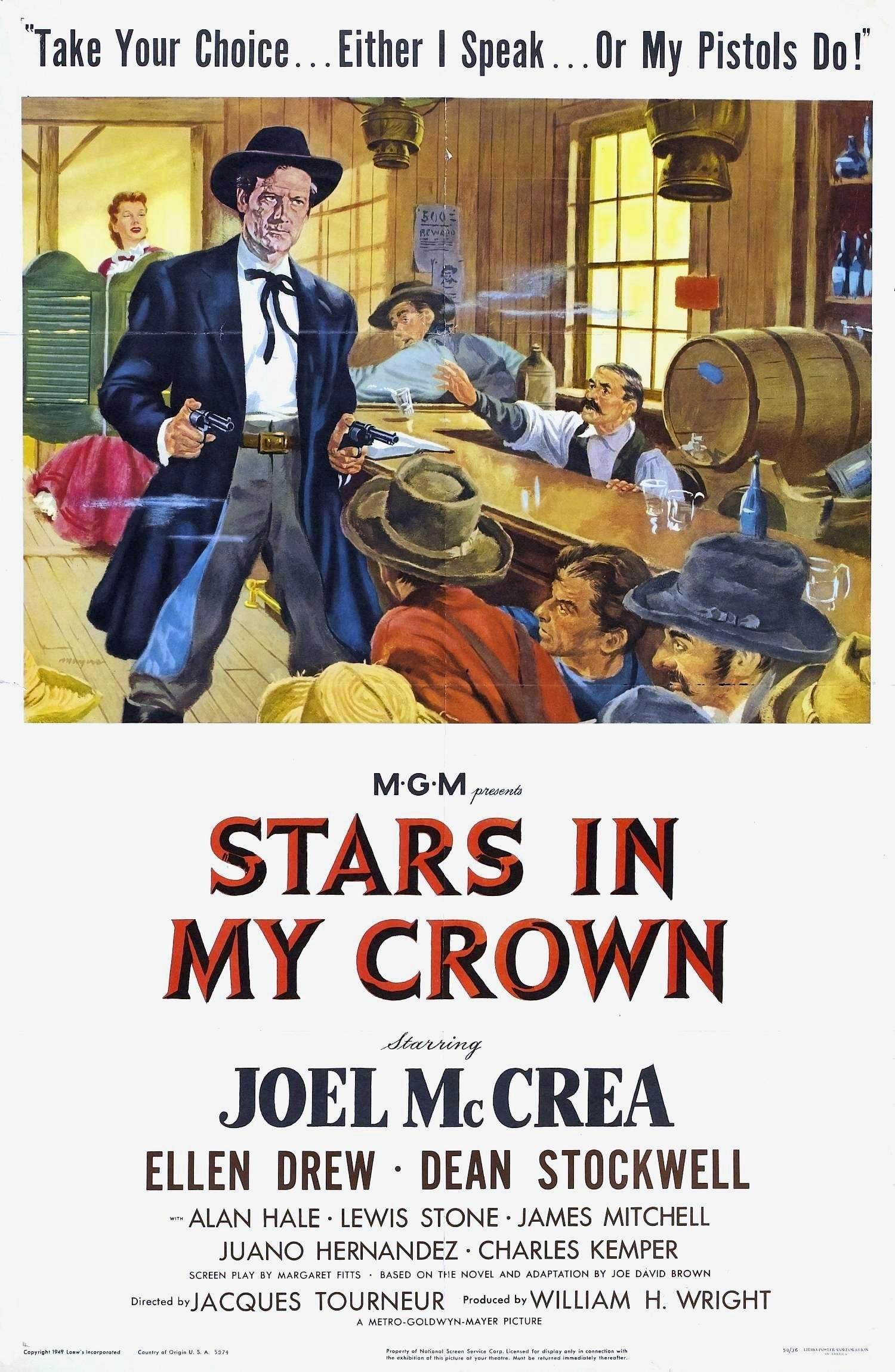
Westerns in March Stars: in My Crown (1950)

stars in my crown poster

Jacques Tourneur directed one of the great Film Noirs Out of the Past (1947), and one of the eeriest horror movies of all time, Cat People (1942). I’ve seen a few of his other films and they are all good, so I was excited to see what he could do with a western. Stars in My Crown isn’t bad, but it’s not all that great either. It is a slice-of-life film that’s a bit too sentimental and feels like it borrows a little too heavily from To Kill a Mockingbird. Though that can’t be true as it came out years before that book was written. In fact, Harper Lee has noted that she was partially inspired to write her famous novel after watching this film. But she did it much, much better.

Joel McCrea stars as Josiah Doziah Gray who shows up in the little town of Walesburg just after the Civil War, walks into a saloon, announces he’s the new preacher, and starts his first sermon. When the saloon customers laugh at him, he pulls out his pistol and makes them listen.

Soon enough he becomes well-loved in the community. The film watches him as he gets married, has a child, and enjoys inviting the local atheist to church.

The town doctor dies just as his son (James Mitchell) comes back to town, having just graduated from medical school. He has none of his father’s bedside manner and feels people ought to just do what he says because he’s got the schooling to know what he’s talking about.

When typhoid breakout the preacher inadvertently passes it on to the schoolchildren and gets yelled at by the Doctor for not taking precautions (I’ll leave you to ponder how very familiar that sounds).

Later a free slave (Juano Hernandez) is harassed by some miners who are also Klansmen. This is where the film feels like a half-baked Mockingbird but it is much more sentimental than that story.

McCrea is enjoyable, in fact, everyone is good. The story is fine and the direction alright. It’s like an episode of Little House on the Prarie or some such thing. Fine enough to watch, but nothing particularly special.

My Week(s) in Movies: March 5-18, 2023

the little foxes poster

I seem to have forgotten to write a movie journal last week, which is ok because I didn’t watch that many this week as I wound up binge-watching a show. Still, I’ve got a lot of movies to get through which means’ I’ll just touch on each one briefly.

The Mystery of Mr. Wong (1939): There is a lot of talk these days about representation and appropriation and with movies like this it is perfectly understandable why. In the 1930s there were a number of film series about Asian detectives who were inevitably played by white dudes. The three main ones were Charlie Chan (initially played Warner Oland then Sidney Toler and later Roland Winters), Mr. Moto (played by Peter Lorre), and Mr. Wong (Boris Karloff).

I don’t have time to get into all the ins and outs of why this was a popular genre back then, so I’ll just move on to this particular film. As I say that I realize it has been so long since I watched it and the film was so unmemorable that I don’t actually have much to say about it. It involves a jewel theft and some murders which take place during a house party where some folks enact a bad play. I’ve seen a couple of Wong mysteries and none of them are great. Karloff plays the character pretty stiffly, unlike Waner Oland as Charlie Chan who is at least somewhat humorous.

Stars in My Crown (1950): A movie I should have already talked about in my Westerns in March series. Joel McCrea plays a preacher in a small post Civil War town. There isn’t much to it, just a slice-of-life kind of film that’s a bit sentimental but also sweet.

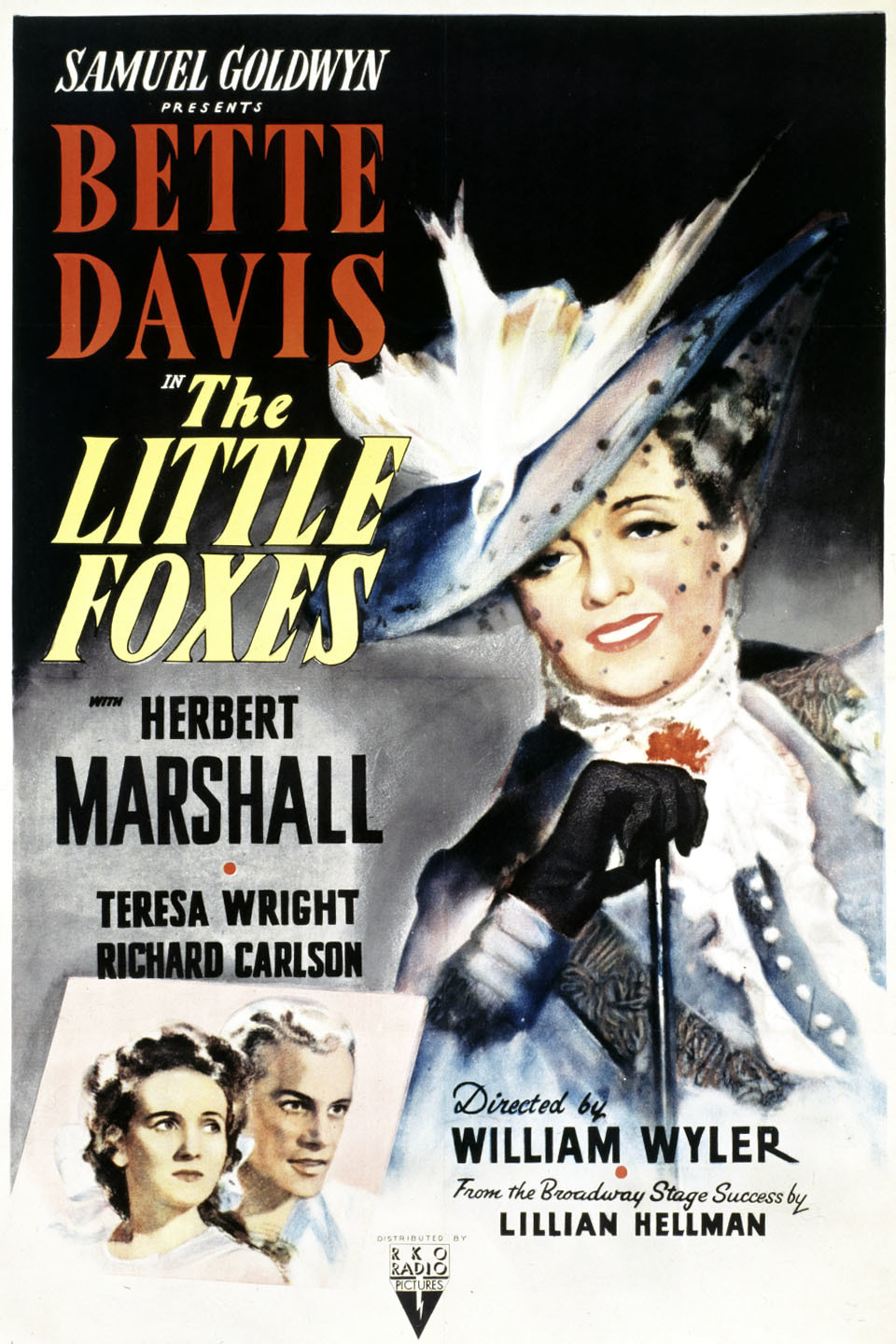
The Little Foxes (1941): A bitter, brutal little film about awful rich people who will do anything and everything to get even richer. It is based on a stage play and the filmmaking doesn’t really do anything to expand it. Better Davis plays the lead, a conniving woman who married for money and is willing to stab everyone she comes across in the back to stay that way. She’s terrific in it and the entire film is quite wonderful.

Major Dundee (1965): I did write about this one for my Westerns in March series, you can read it here.

Gone in the Night (2022): Winona Ryder is good in this undercooked mystery. She spends the film trying to find out what happened to her boyfriend after he disappears one night that they spent in a cabin in the woods. The mystery isn’t particularly interesting and the twists can be seen coming from a mile away. But Ryder demonstrates why she’s been a star for a decade and Demot Mulroney is also pretty great as a guy who helps her solve the mystery.

Hell of the Living Dead (1980): I wrote about this one in my Friday Night Horror Movie post.

Young Guns (1988): Also wrote about this one in my Westerns in March series.

The Magnificent Seven (2016): Gosh darn it, I have been slacking with my Westerns in March series. I’ll do better this week, I promise. This film is a pale imitation of the original The Magnificent Seven (1960) which was itself a pale imitation of The Seven Samurai (1954).

Disappearance at Clifton Hill (2019): A pretty good little mystery about a woman who tries to solve the kidnapping she witnessed as a little girl. The twists in this one are pretty good and it has a nice moody tone to it.

The Retaliators (2022): A not-very-good horror movie that I reviewed over at Cinema Sentries.

The Banshees of Inisherin (2022): A wonderful film from Martin McDonagh. On its surface, it’s about a guy (Brendan Gleeson) who is so tired of another guy’s small talk (Colin Farrell) that he’s willing to chop off his fingers just to get him to shut up. But really it is about the Irish Civil War and the true value of art. Gleeson and Farrell are terrific as is Kerry Condon.

The Bob’s Burgers Movie (2022): Bob’s Burgers is one of those shows that I love when I’m watching it, but don’t actually follow. I think it started about the time we cut the cord so it wasn’t something I’d sit down and watch every week and I believe it only streams on Hulu which is a station we only subscribe to periodically.

I had originally planned to not watch the movie until I had caught up with the series up to the point the movie originally aired, but decided that was dumb as this is not the sort of show you need to know everything about in order to watch the movie. The film is like an extended version of the film, but a little spiffier, all of which is to its detriment. It is still hilarious, but I found that it overstayed its welcome and the better-looking graphics only made it look weird.

Little Women (1933): I’ve seen multiple adaptations of the book by Louisa May Alcott, and even ran lights for a musical production in college. To tell the truth, I don’t actually love the story, but my wife does and so I periodically throw it on as something we both can watch. This one stars Katharine Hepburn as Jo and she’s delightful.

Final Destination (2000): A pretty dumb horror flick from the early 2000s. I wrote a full review here.

The Texas Chainsaw Massacre 2 (1986): A completely nutso sequel to one of the all-time great horror movies. I wrote about it for my Friday Night Horror feature.

Piranha 3D (2010): I didn’t have high hopes for this film, but I liked director Alexandre Aja’s adaptation of Wes Craven’s The Hills Have Eyes, and Crawl (2019) was kind of fun in a dumb way, but this was terrible. It might have been fun had I seen it in a crowded theater on a late Saturday night, but watching it alone in my bedroom I found it to be dreadfully stupid and an utter bore.

Cheyanne Autumn (1964): Yet another western I need to write about. This one was John Ford’s last western and it centers on the plight of the Cheyanne Indians and their harrowing flight to their homelands. It is overlong and rather dry, but I’ll have more to say about that soon.

The World’s End (2013): Every single film in Edgar Wright’s Cornetto Trilogy gets better with repeat viewings. This has long been my least favorite of the three, but it continues to grow on me. The beauty of these films, and what makes them work on repeat viewings is that the jokes build on themselves. Things happen early in the films that get payoffs later and that’s the sort of thing I don’t notice on first (or second, or third) viewings but that make me keep coming back.