Foreign Film February: Battleship Potemkin (1925)

battleship potemkin

There are some films that loom so large in a cinephile’s imagination that they are almost impossible to watch. These are films that have been so well-praised, that are so influential, so important that they sometimes seem less like movies than cinematic gods.

Or something. I’m getting a little carried away with my bloviations. Battleship Potemkin is considered one of the greatest movies ever made. It is famed for its use of editing, creating montages to elicit an emotional response. Director Sergei Eisenstein believed that you could juxtapose two unrelated images and create an entirely new idea. What he did in Battleship Potemkin was revolutionary and those techniques are still used today.

The “Odessa Steps” sequence is one of the most influential scenes in all of cinema. It has been paid homage to, and outright stolen from, and parodied countless times. I first heard about it from Brian DePalma’s film The Untouchables which has a very similar sequence involving a baby carriage on some steps.

All of this hung over my head years before I ever watched it. I put off watching it because its reputation was too great, its influence too wide for me to ever be able to sit down and take it all in.

To be honest, I really just thought it was going to be dull. I’m learning to appreciate silent films, but it is a struggle.

Turns out Battleship Potemkin is a real banger. It is fast-paced, full of incident and action, and an utterly enjoyable watch.

It is about a historical event in which some sailors revolted against the officers of the ship and took it over. They then port in Odessa where the citizens celebrate the liberation of the ship and bring them food, all before being slaughtered by the Army. It was an important part of the 1905 Revolution and the film was made as a bit of propaganda celebrating the 20th anniversary of the event.

It is propaganda. It is utterly designed to make you side with the revolution and ultimately the Communist State. I find that modern reviews of the film ultimately fall on where one’s political views are. None of that matters to me. It is a magnificent, wonderful film with never a dull moment. It is a movie I’d show to people who have never seen a silent movie.
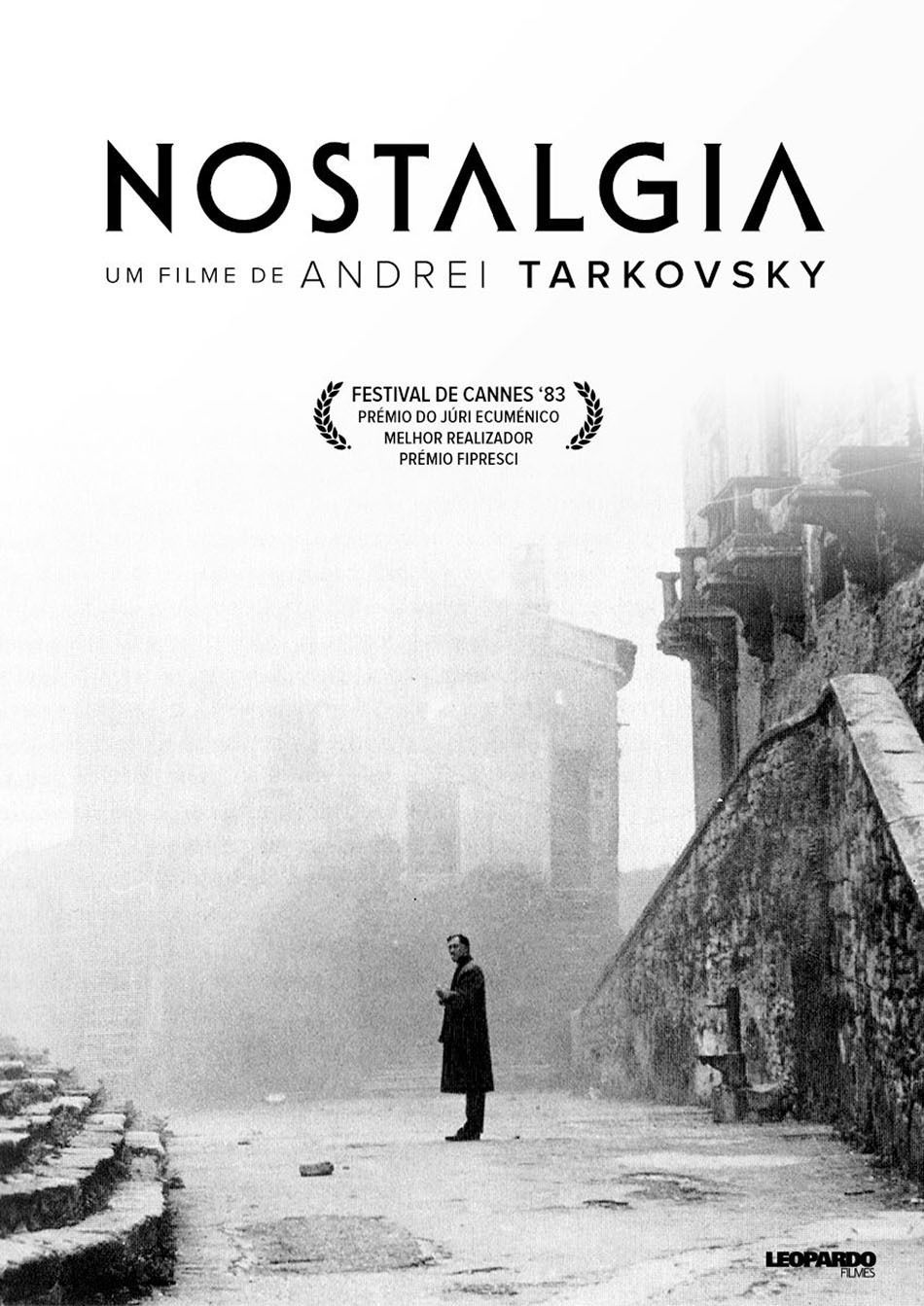
Foreign Film February: Nostalghia (1983)

nostalghia

Russian filmmaker Andrei Tarkovsky directed seven films in his all-too-short career. I’ve now seen all seven and everyone is brilliant, several are masterpieces (I still haven’t seen the Steamroller and the Violin the short film he made in school). His films are known for their beauty, spirituality, and long takes. Nostalghia has all that in spades. It also has a pretty confusing plot, but don’t let that bother you, for this is, as Martin Scorsese will tell you, cinema.

The story is about a Russian man who visits Italy in order to research an 18th Century Russian composer who also visited Italy and committed suicide upon his return to his homeland. That much I understood. The rest of it was pretty much lost on me. Reading the synopsis on Wikipedia just now I honestly had no idea that what they say happens in the plot actually occurred. Not that this mattered in any way, it certainly didn’t hinder my enjoyment of the film.

The film uses dream sequences and memories to create a fantastic tableau of images. Tarkovsky is famous for holding an image on the screen for a long time allowing us to truly digest everything we’re seeing on the screen. Here he uses subtle changes in lighting to shift our focus. There is one scene set in a bedroom. We see a man lying on a bed in the middle of the room, it is raining outside, and there is a bathroom in the corner. The camera holds the shot. Our focus shifts from the window to the bed. The man seems to disappear. Rain now seems to be puddling on the floor. A dog appears at the bathroom door. For several minutes we stare at this bedroom. Nothing happens, and yet we are mesmerized. Or at least I am.

Tarkovsky does this over and over. He is like a great painter and film is his canvas.

He uses rain, puddles, and water to great effect. Water drips from ceilings. Characters wander in cave-like structures filled with water. Reflections abound. The setting here often looks a great deal like The Zone in my favorite of Tarkovsky’s films, Stalker. It is very earthy. Organic.

I’ll need another viewing or two (or three) to get a real grasp on the story and what Tarvkosky is trying to say, but with this initial viewing, I was just mesmerized by the pictures he painted.

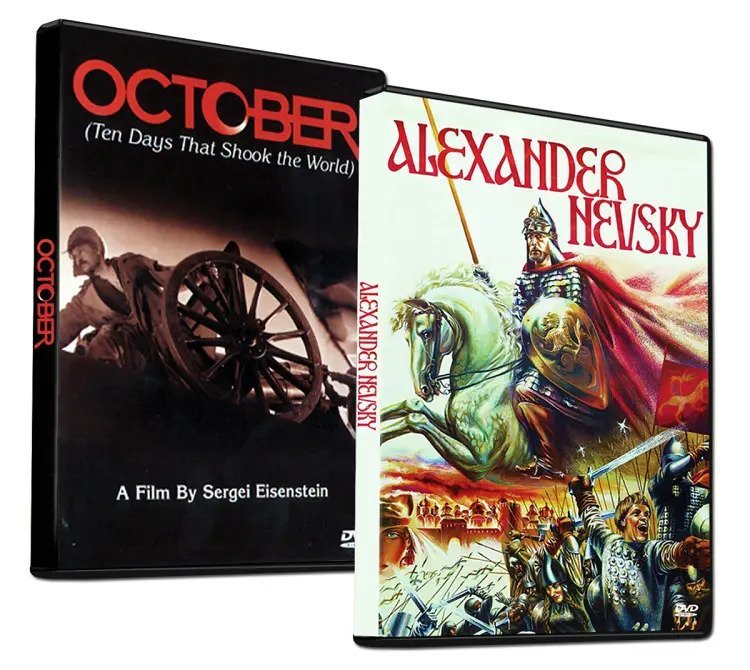
Two from Sergei Eisenstein: October (1928) & Alexander Nevsky (1938)

two from eisenstein

Sergei Eisenstein was one of the most important of the early directors. He’s someone I’ve heard about many times but until I watched and reviewed these two films back in November of last year I’d never actually set down and watched anything from him. I’m glad I finally did. You can read my reviews here.

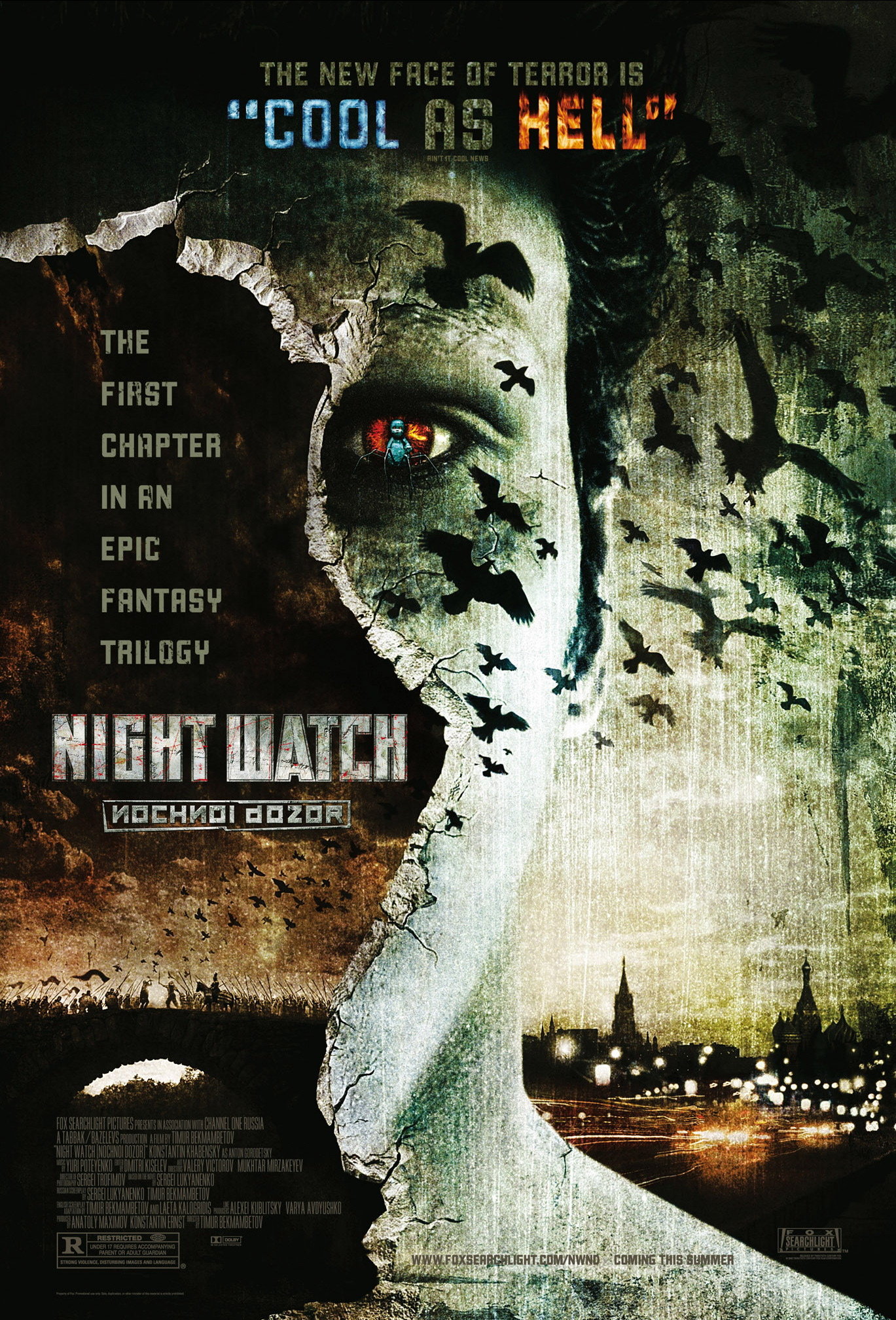
Night Watch (2004)

night watch poster

“One side is in Russian, the other side is in English,” the girl behind the counter noted about the DVD I was renting. “So if you play it and it is in Russian, just turn it over,” she continued. I wanted to glare at her and snidely question her about her movie appreciation skills. Shouldn’t girls, who work in the movie industry, freaking appreciate films as God intended them? But I’ve had that argument one too many times. If Blockbuster wanted their employees to have a clue, I guess they’d pay them more.

Night Watch lives in the same world that we do, but in a different kind of dimension if you get my meaning. It is a dimension filled with vampires, shapeshifters, and seers. They live alongside humans, but secretly without being understood by the likes of you or me.

These creatures, or Others as they are called, were once engaged in a brutal war, but being evenly matched signed a truce many years ago. Much like in our own Cold War, the Others have set up watchmen for both the light and dark sides to ensure each side keeps up with their side of the truce. Part of this bargain is that when new others are formed; neither side will interfere with them until they have chosen a side. For the Others are actually born of human seed, and do not know they are different until something extreme occurs and their powers come out.

Our movie lies in a time in which a cursed virgin proclaims the nearing Armageddon, and a chosen child will throw the balance of good and evil to one side.

The film sets up its universe and mythology extremely well. In a prologue, Lord of the Rings style, we learn about the others and the war and the truce, it is just enough to allow us to gain understanding without bogging down in the mythos. As the story unfolds we gain a better understanding of the rules and still feel that there is a deeper story. That it is based on a series of books only adds to that mythos.

Visually the story lives in a Fight Club world where digital animation moves alongside live action. There are lots of extreme close-ups of machinery and metro tubes that transition smoothly into the real.

I’m not sure if the subtitles were created by the filmmakers or were a later addition, but they become a part of the film. Sometimes they are swatted away by a character, zoom out like the cars on a highway, or are underlined for emphasis becoming more like characters than simple translations.

The characters are well developed and often give hints at deeper backgrounds, which again, may come from their literary counterparts. Sometimes the main character is treated like more of an officer in the others than he actually seems to be, all to move the story along.

It is a slick, MTV generation movie. A glossy popcorn piece of cinema with a cool mythology, and some killer visuals. It is not great cinema, but a darn fine piece of science-fiction/horror.

While watching it I kept thinking there was great material for a sequel or sequels. Turns out it is the first part of a trilogy, the second of which is already playing in Russia. I’ll be keeping an eye out, for sure.