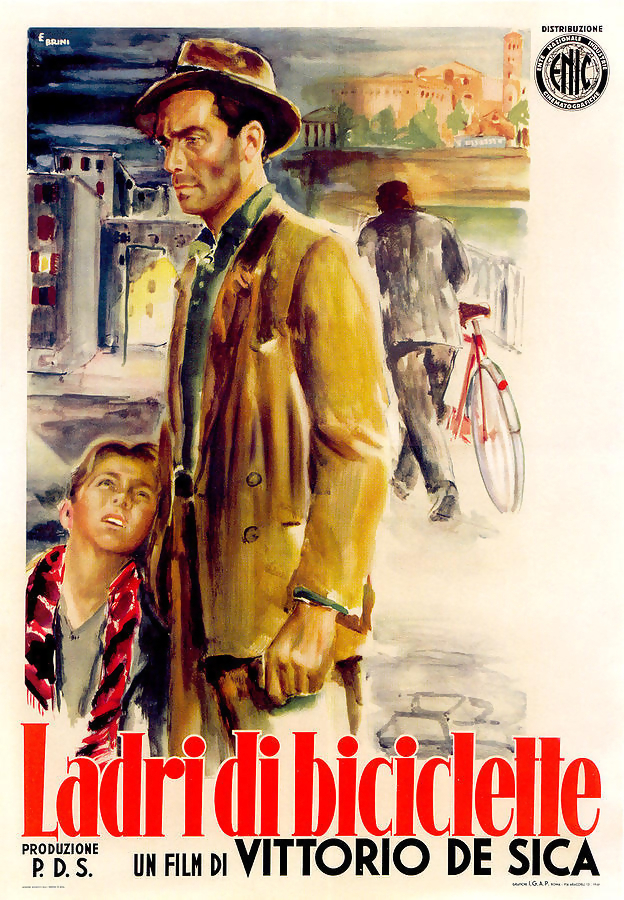
Foreign Film February: The Bicycle Thieves (1948)

the bicycle thieves

The Bicycle Thieves is generally considered one of the greatest films ever made. It topped the Sight & Sound (often considered the best, or most important of these types of polls) list in 1952, the first time they made a poll. It has since slipped further and further down that list, but it is still highly regarded amongst critics directors and cinephiles.

It has been on my list of films to watch for a very long time, but I’ve always put it off. It has always seemed to me to be a film that would be difficult to watch – in that way important films can sometimes feel like homework. I knew I’d need to be in the right mood to watch it and that mod never seemed to come. It is part of and is often considered the best example of, the Italian Neorealism movement. As the name implies these are films that were designed to be as realistic as possible. They were shot on location, used non-professional actors, were generally about the working class, and dealt with social and political themes.

I am not the biggest fan of the genre. Cinema works best to me when it is, at least somewhat, unrealistic. I don’t necessarily mean it needs to be pure fantasy or science fiction. Simple plots about real people can still bedazzle us with unique camera movements, or music, or stylistic choices. I love the cinematic aspects of cinema and so a more naturalistic handle on the material isn’t as interesting to me. I don’t want to belabor that point, as I could come up with plenty of naturalistic films that I love, but The Bicycle Thieves’ neorealism is one of the things that kept me from watching it.

Until today.

Like almost every film that is universally beloved, I liked The Bicycle Thieves quite a lot. There is a reason certain films are considered the best of the best, and it is rare that I really dislike any of them. But I definitely didn’t love this one.

The plot is simple. In post-war Italy Antonio (Lamberto Maggiorani) is desperate for work He stands in line with dozens of others every day hoping the employment office will have something for him. On this day it does, he’s offered a job putting up advertisement posters throughout Rome. But he needs a bike, it is necessary for the job.

Antonio has a bike, but it was pawned. His wife tears off the sheets from their bed and folds most of their linen up. They take it to the pawn shop and sell it. The camera follows the worker as he climbs a ladder and places their linen in a huge pile with hundreds of other sheets they have purchased. They use the money to buy back the bike (which likewise is in the shop next to a long line of other bikes. Pawning one’s stuff is necessary for so many just to survive another day.)

She visits a Wise Woman, kind of a fortune teller, to pay her respects since earlier the Woman had told her that he would get a job. Antonio leaves the bike in the street and follows her up. We expect the bike to be gone when he returns but the film is playing with us, the bike is still there. It does get stolen on the first day on the job. While Antonio is putting glue on the poster a young man swipes it.

The rest of the film follows Antonio and his young son as they wander the streets of Rome looking for it. They go to the police but all they can do is take a report. His friend shows him some open-air markets where thieves often try to sell stolen bikes. He eventually runs into the thief but without proof that he stole the bike, there is nothing anyone can do. As the day goes on Antonio gets increasingly desperate and exasperated.

I won’t spoil the ending but the final moments are incredibly moving.

Director Vittorio De Sica shoots the film naturalistically. He shot on location in Rome. All of the actors were not professionals. The camera acts as an observer and there is nothing splashy about any of the filmmaking. It is a simple story told simply. This was startling to audiences at the time who had grown accustomed to the style and glitz of Hollywood films. It was exciting to see a film stripped down to its essence. Or so I’m told. Watching it now, that excitement has been washed away. What we’re left with is a very nice story, one that can be quite moving even. But not one I’ll be voting for as the best ever made.

I will admit that had I watched it in a different way my feelings may be different. Had I watched it in a movie theater where I could pay sole attention to it instead of my bedroom where distractions abounded I might have tuned into its simple pleasures more. Or were I in a different headspace I may have found the story more emotionally engaging. But for now, I can only recognize that it is a good film, but perhaps not entirely for me.
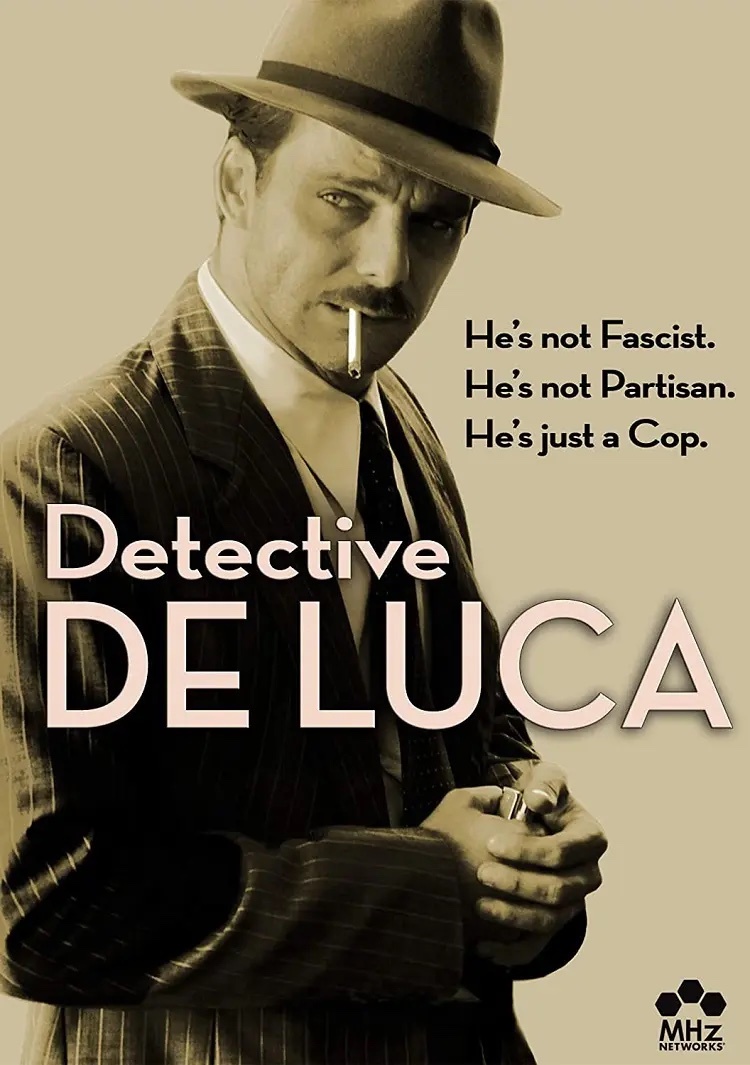
Detective De Luca

detective de luca

I love a good crime drama. There is something very satisfying about watching someone try to solve a murder or some other heinous crime. The conventions of the genre are somehow comforting as you more or less know what is going to happen (a crime will be committed, questions will be asked, and the criminal will be caught). The best stories find ways to subvert those conventions and do something interesting.

I also love that crime dramas work well all over the world. Just about every culture that makes movies and TV shows makes crime dramas. MHZ used to put out a lot of DVDs of crime dramas and mysteries from all across Europe and other countries. They might still do that, I’ve just lost touch with them. I know they do have a streaming service and I’ve been meaning to give it a try.

Detective de Luca is a cool little series of detective movies from Italy. I reviewed it several years ago and now you can read my thoughts here.

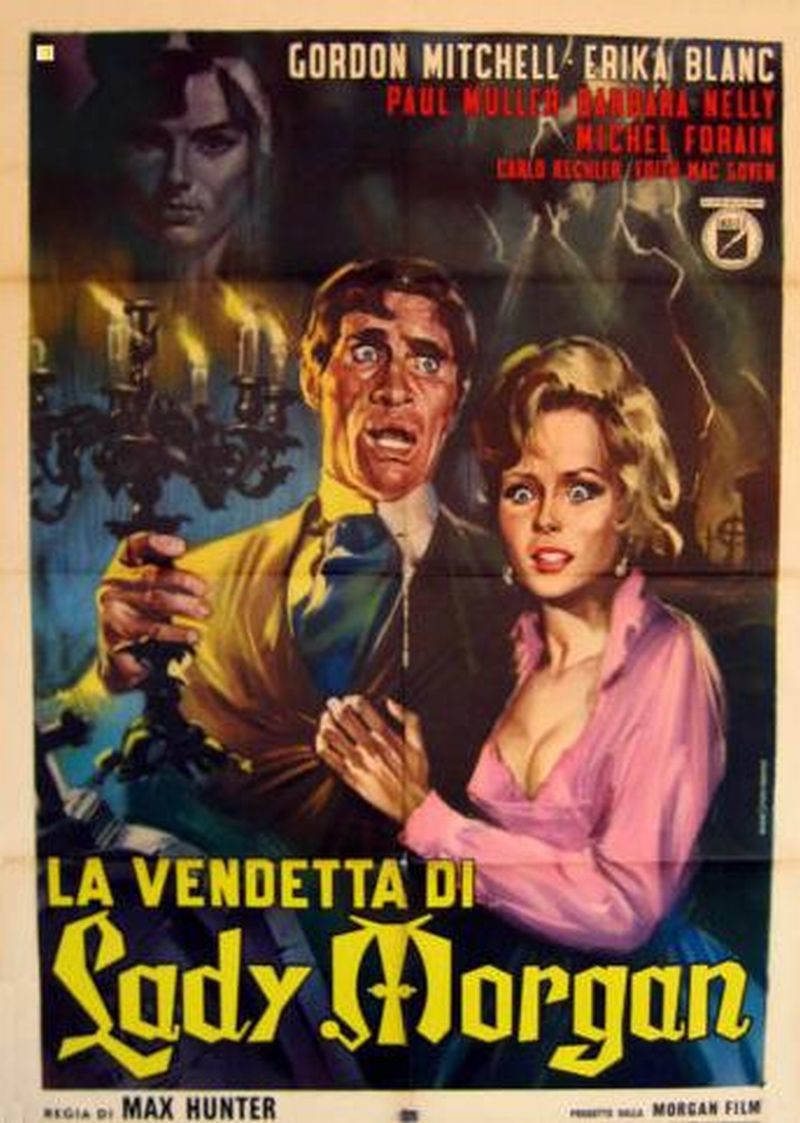
31 Days of Horror: Lady Morgan’s Vengeance (1965)

Lady Morgans Vengeance Poster

If you paid any attention to my last post then you might have noticed that this film does not appear on my list of horror films to watch this month. That’s because it is part of a four-film boxed set from Arrow Video entitled Gothic Fantastico: Four Italian Tales of Terror which appeared in my mailbox today. I’ll be reviewing the entire set for Cinema Sentries in a few days or so, thus I’ll not say much about it here.

It is a surprisingly good film about a woman who marries a man she doesn’t love and finds herself in an old Scottish castle. Her husband and her staff begin gaslighting her, and she starts seeing spooky things and hearing spooky noises, and then she’s killed. Her ghost seeks some pretty fun revenge on those responsible for her death. I’d say that was a spoiler but those details you’ll find on the back of the box so it isn’t really a surprise.

I love a good gothic horror story and this has plenty of creeping sets, shadowy lighting, and billowy gowns. It is definitely worth checking out if you are into that sort of thing.

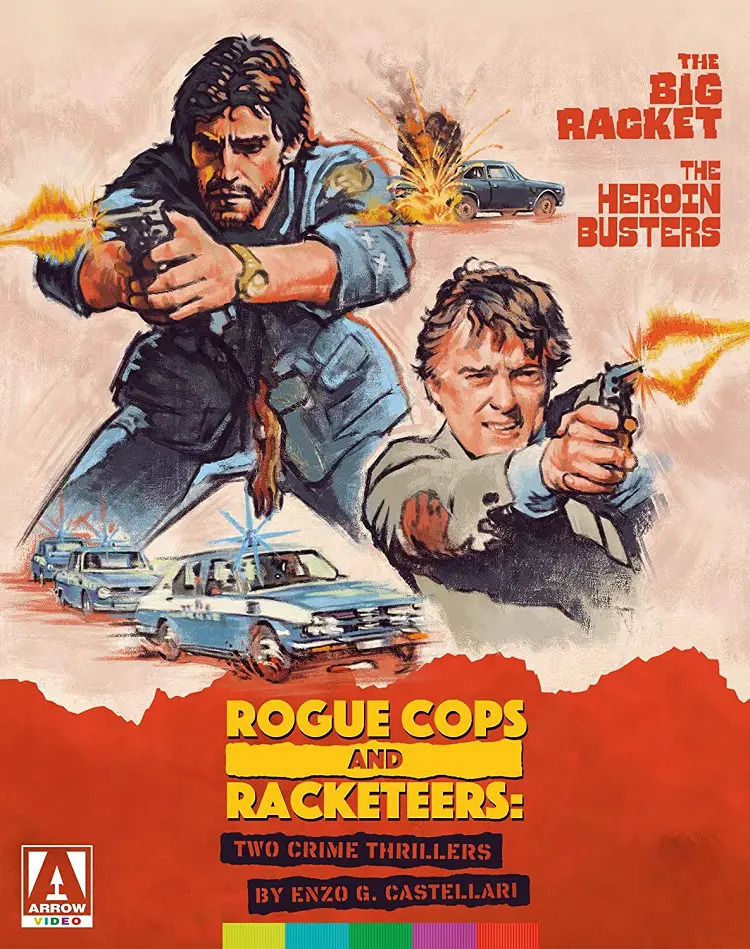
Rogue Cops and Racketeers: Two Crime Thrillers by Enzo G. Castellari

rogue cops and racketeers
Arrow Video is one of my favorite boutique labels putting out Blu-rays today. What’s great about them is that they find fairly obscure genre movies, restore the audio and video, give them a bunch of special features like audio commentaries and interviews with the filmmakers, and then put them in great little packages.

Sometimes they create boxed sets of similar type of films. They recently put out a couple of Italian crime dramas and boxed them up in a set they called Rogue Cops and Racketeers. I wrote a review of it, which you can read here.

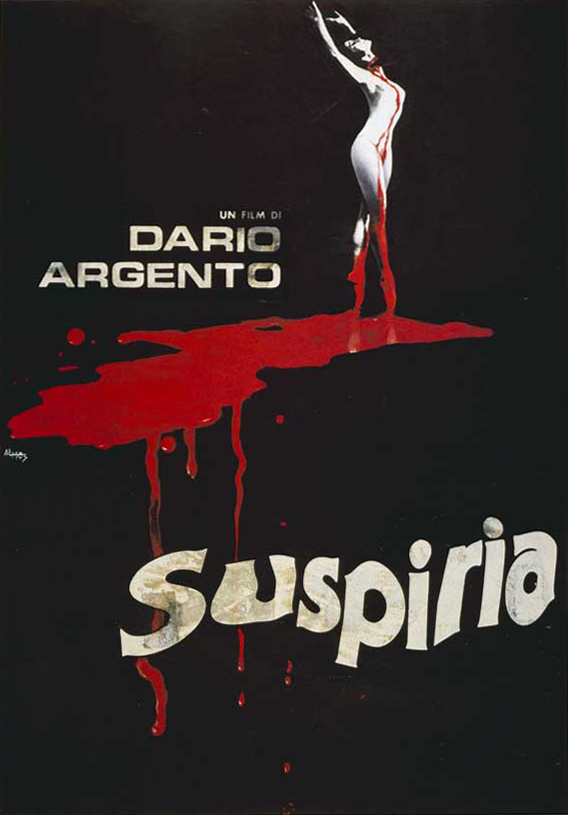
Suspiria (1977)

suspiria poster

Editors Note: I feel it necessary that I originally wrote this in April of 2007. That was nearly 16 years ago. I have seen Suspiria many times since then and my opinion of it has only grown.  I mostly stand by this review, though the writing makes me cringe a little (and I don’t think the acting in most of Argento’s films are bad, don’t know where that thought came from).  But I haven’t changed a word.

Petit and pretty Suzy Banyon flies from New York to Germany to attend a prestigious dance school. The night is dark, mysterious, and lonely, and it is storming with great torrents of rain. Upon arriving at the school, she finds the door locked, and the woman on the intercom refuses to let her inside.

Soon another woman comes to the door, not to allow entrance, but to flee. She looks greatly frightened, and shouts something to unknown persons behind the door, then runs out into the night and rain.

Shortly thereafter, we see a brutal, bloody, completely awesome murder at the school, complete with a knife stabbing directly into a heart, via an open chest, and the coolest hanging this side of The Good, the Bad, and the Ugly.

When Suzy returns the next day she finds everyone distraught over the murder, but much more welcoming than the previous night. She meets the rest of the dancers, and things begin to settle into normalcy. For a moment anyway.

On her first day of class, Suzy falls ill and is forced to become nearly bedridden and given a very special diet. Strange footsteps are heard outside her door every night, maggots fall from the ceiling, bats fly in through the window and more murders pile up. Is there a mass murderer on the loose, or is it something more sinister, more mystical?

The film is beautifully shot, with the lighting causing all sorts of creepy shadows while being bathed in primary colors. Mostly red.

Lots and lots of red.

The score, by the group Goblin, is full of creep and circumstance and sets an eerie mood throughout.

Unlike a lot of Dario Argento films, the acting here is pretty good. All of the leads do a fine job of conveying the right amounts of suspense and dread, or menace and evil, depending on what their characters call for. The plot is pretty thin, as it jumps about quite a bit. Despite what the tagline says, the last 12 minutes veer well into the ludicrous instead of terrifying, but for what the film lacks in these details it absolutely nails in terms of setting a mood and atmosphere.