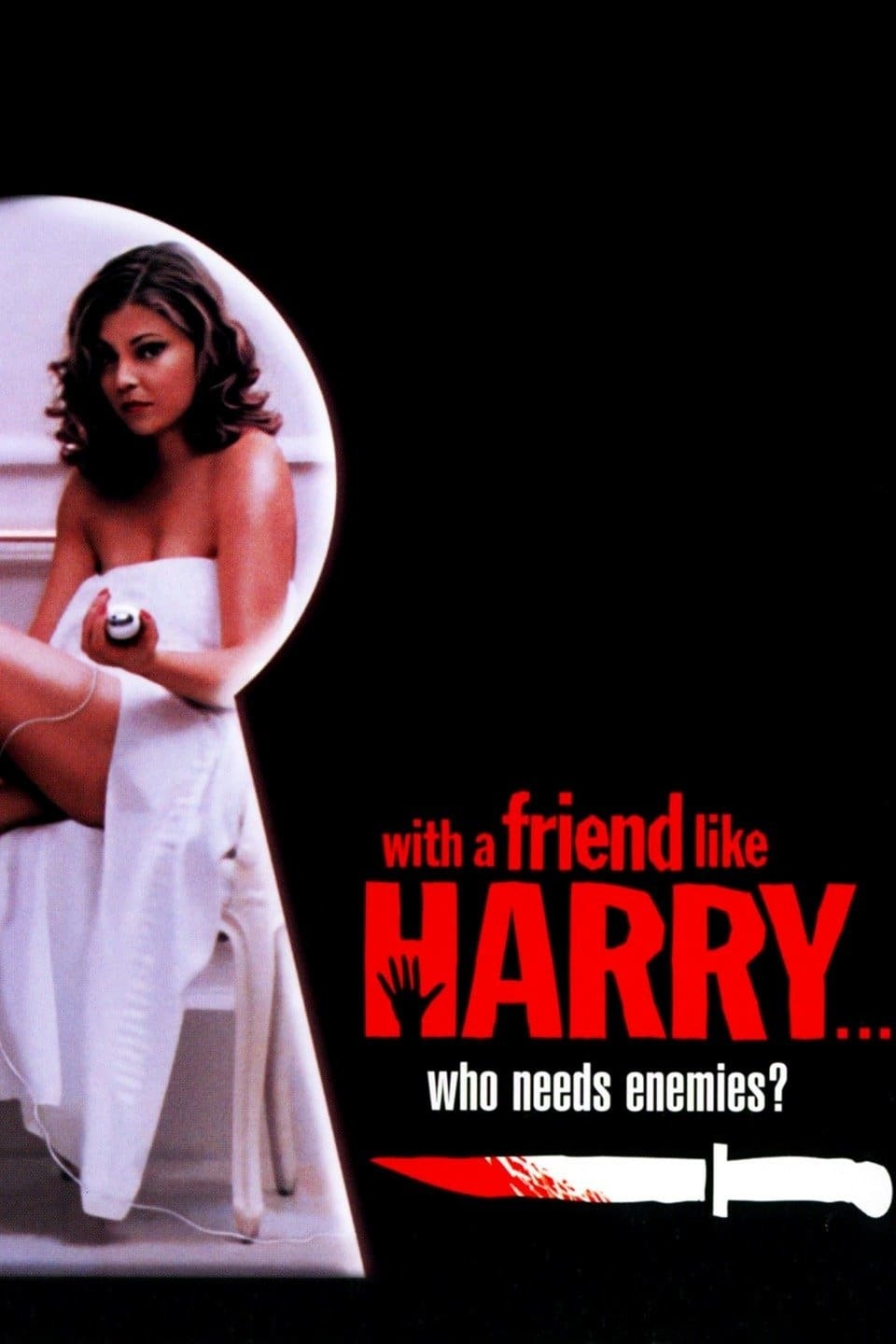
With a Friend Like Harry… (2000)

with a friend like harry

My wife is a francophile. She speaks French fluently. Studied it in college. Has a masters in French linguistics. Lived in Montreal for a while, and we spent some time in Strasbourg. She reads French books and we sometimes watch French movies.

We watched this one in the theater when it first came out. We had no idea what it was about. It is a good one. I bought it on DVD. It is a freaky thriller with lots of good twists. You can read my full review here.

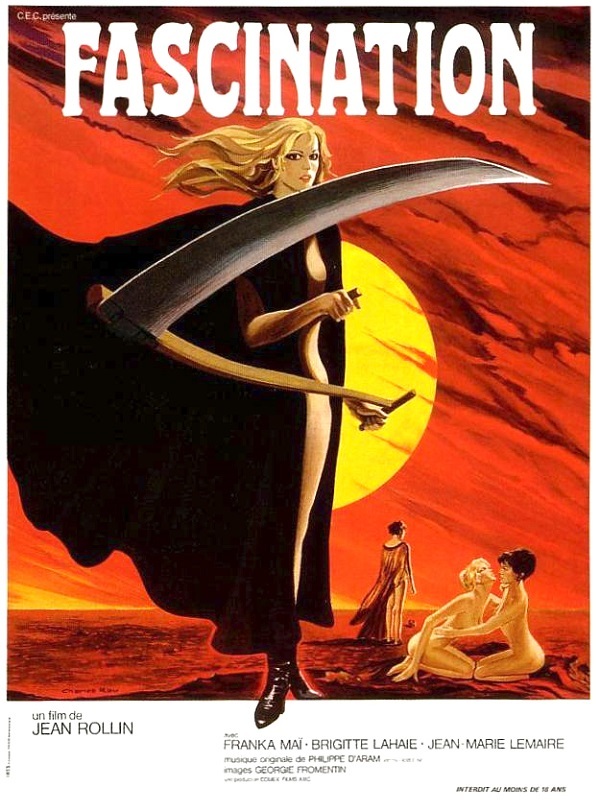
31 Days of Horror: Fascination (1979)

fascination movie poster

French director Jean Rollin is somebody whose name I’ve known for years, but whose films I had never sat down and watched until today. He made a lot of movies in his career but is probably best known for a series of erotic vampire films he made in the 1970s. Fascination is probably his best-known movie.

It is about a man who flees from his fellow villainous compatriots with a bag full of stolen gold. He winds up in a creaky, old, castle where he plans to hide out until the cover of darkness. There he meets two beautiful women clad in flowing white gowns.

Though he has a gun and speaks as if he’s willing to use it the women do not seem afraid. They taunt him and speak elliptically about further friends coming that evening and something sinister happening at midnight. The man doesn’t understand but is attracted to them and so he stays.

More women in flowing gowns arrive and they too play games with the man. I’ve already noted that Rollin is known for his erotic vampire films so you can probably guess where this film is going, though it may actually surprise you.

The film uses the castle, and those flowing gowns, to great effects. This is more a mood piece than a particularly violent horror film. It takes its time getting to where it’s going but it is mesmerizing just the same. Well worth a watch if you enjoy gothic horror and beautiful vampires.

Anatomy of Hell (2004)

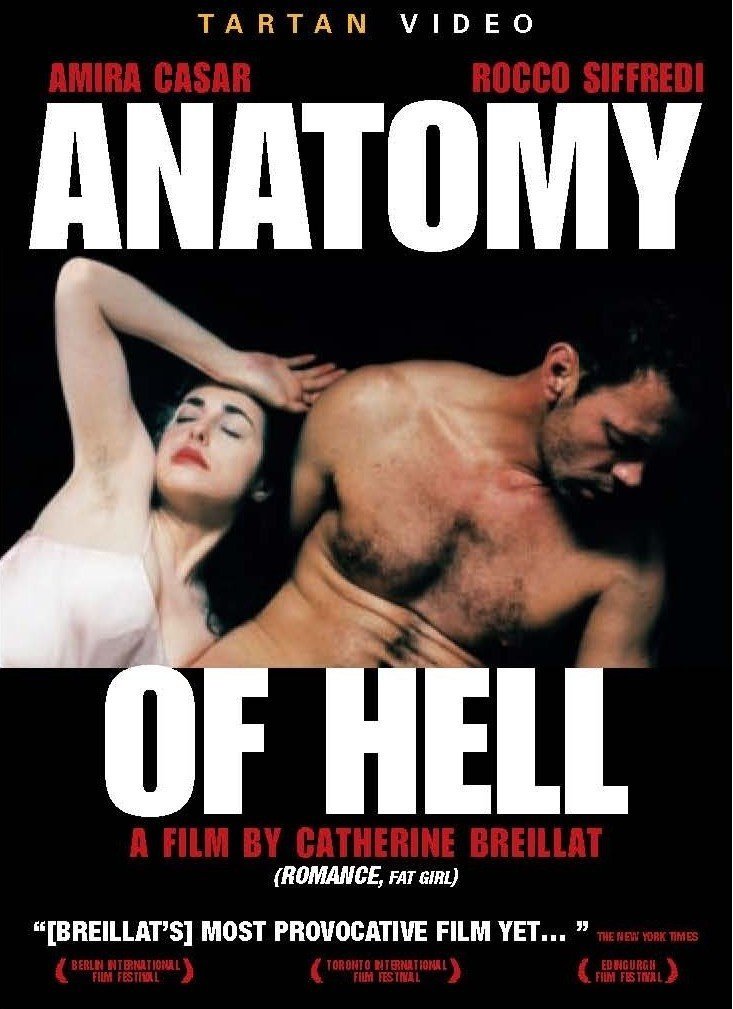
anatomy of hell dvd art

Originally written on September 20, 2006.

Nudity in the United States is an odd thing. We tend to love our nudity, yet are mostly ashamed of our love and try to hide it. Well we try to hide what we determine is actual nudity while plastering near nudity everywhere we can.

From TV to magazines to print ads, on beaches, sidewalks, and shopping malls, flesh reigns king. Skimpy bikinis, short skirts, and tight shirts are all acceptable, admired, and loved. Yet again, flash a nipple or pubic hair and there is an outcry from the same public that so adored the near nudity.

As a lad, I could often get my mother to allow me to watch the newest Arnold Schwarzenegger action flick filled with bloody battles, but as soon as a movie showed a bit of nudity and it was off to play Monopoly.

The nudity didn’t even have to be sexual. A girl walking out of a shower was reason enough to turn it off. Strangely we could often get away with a film full of innuendo or engaging in physical nuances that hid the nudity.

I don’t want to knock my mother too hard here, certainly, the culture she was raised in had a great deal to do with how she parented us. She tried her best to do the difficult job of guarding our television and movie viewing habits. A difficult job with no official rules to what is acceptable

It also must be said that we often baited her and pressured her constantly to allow us to watch the newest action flick while staying mostly mum about the nudity. As a kid, I didn’t mind complaining that it was just fake violence and wouldn’t affect me, but there was no way I was going to beg for boobies, no matter how much I secretly longed for them.

Funny how some 12 years after I’ve left home I’m still worried about what my mother will say having watched and reviewed a picture such as Anatomy of Hell.

The film starts with a warning which looks like the typical FBI copyright warning but which reminds the viewer that film is not real, but an illusion and informs us that the most intimate moments do not belong to the main actress, but a stand-in.

It then moves into two men involved in a little back alley oral action.

No kids, this isn’t going to be your typical night at the cinema.

The plot involves a woman (Amira Casar) on the verge – she is first seen in a nightclub where she promptly slits her wrists in the bathroom – and a young gay man (Rocco Siffredi) who rescues her from suicide.

The woman invites the man to her secluded home for four nights to “watch her where she is unwatchable.”

The film then concentrates on four nights of sexual exploration and philosophy.

It is not a film for the prudish, or squeamish, or for those looking to get their jollies off.

It is full of explicit nudity and sex, but also of graphic imagery that exposes both man and woman for everything that they are physically – from urinating to coitus to pulling out bloody tampons. It is anything but sexually stimulating.

It tries to do the same emotionally but is all too often obtuse with its imagery and symbolism.

In one scene the woman talks of her pubic hair and vulva as a newborn bird lying in its nest. The film cuts from a close-up of the woman’s nether regions to such a bird. The bird is then plucked from its nest by a young boy who sticks it in his pocket. Moments later blood on the shirt reveals the bird is dead and the boy then throws it to the ground and stomps the bird with his boot.

Not exactly subtle. But not exactly poignant either.

The dialogue is similarly robust. The man discusses disgustedly at the horridness of the female body while the woman remarks that all men despise women and if they could would murder them all.

There are lots of long, languid shots where the camera rests upon the couple laying in bed, or pouring a drink without music, sound, or dialogue. As if the image brings some meaning to its story.

If you look closely, beyond some of the more pompous turns of phrase, there is a deeper meaning to be found. Despite the hamfistedness, the director does have something to say.

There is a scene towards the end of the film after the couple parted ways where the man sits in a bar, angry at the previous night’s actions. Like many a man, he displays that anger by playing the braggart making like he devoured the poor woman and split her apart with his maleness, while it is he that has been torn down by those events.

No, Anatomy of Hell is not a film for everyone. Nor does it reach the lofty heights it aims for by breaking so many boundaries. Yet, for those willing to try, there is some truth to be gleaned, some treasure buried beneath its repulsiveness and pomp.

Murderous Maids (2000)

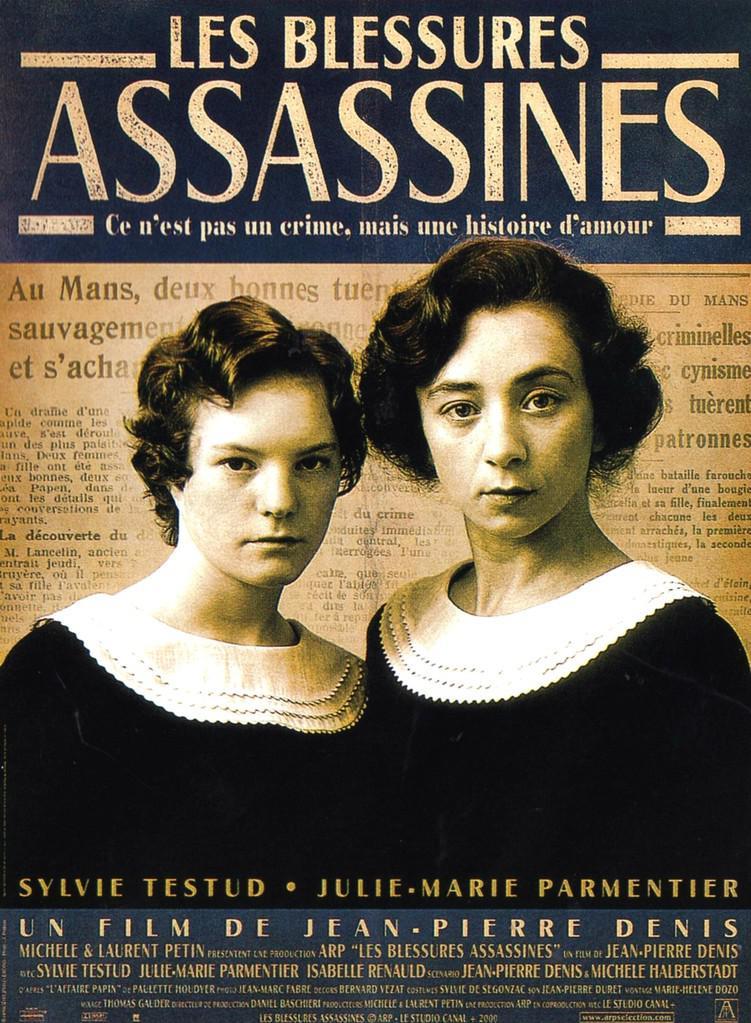
murderous maids movie poster

Two sisters, chambermaids for a wealthy French family, brutally murdered their employer, Mrs. Ancelin, and her daughter Geneviève, one February evening in 1933, in the small French town of Le Mans. This incident rocked French society for weeks.

Well, I say it rocked French society, but really, I have no idea if it had any effect whatsoever. It would be some 40 years after the murder that I would be born, and I’ve seen no information about its effect on France other than the publicity material associated with the film based upon the events, The Murderous Maids, and other reviews of said movie.

If it is true that this incident did rock French society at the time, and I’ll accept them as such, it is ponderous that it is so. Though certainly brutal, and laced with the peculiarity of having been committed by insane and incestuous sisters, it still seems strange that such an event would be anything more than curious to a culture whose history is laced with violence and brutality.

I wonder similar things when I watch the national news in America. Certain events, for whatever reason, capture the news and become so saturated that they permeate our whole culture. Millions of people have had to make the decision to “pull the plug” on a loved one, so why did Terry Schiavo’s case get national attention?

Countless murders are committed in this country every year, yet for months in 2004, the only one that mattered was that of Laci Peterson, at least if the news had anything to say about it.

It is an amazingly strange and unanswerable thing to me why some stories capture the attention of the media, and thus my nation, while so many others slip away into obscurity.

In the case of the murderous maids, Christine and Léa Papin, the media hype seems to surround the horror (Oh, the horror!) of two lower-class maids striking out against their upper-class masters. As if it might start another revolution.

The film is a slow-burning affair. It tries to get into the heads of these sisters and give us a glimpse into why two seemingly meek and mild maids could explode and commit such atrocities.

Honestly, I spent the first 20 minutes of the film, confused as to who was what, and what exactly was happening. The opening scene involves the sisters at a young age. Christine wants to become a nun, like her older sister but is forced into servitude by her mother. We fast forward several years without warning and see the older sister only once more, and that briefly. Maybe I was a bit sleepy, or maybe I was too busy trying to remember my rusty French to compare it to the subtitles but with the changes in time and the disappearance of characters I spent a good bit of the first half utterly confused.

Once the film settles into the lives of the two sisters it begins introducing moments that ultimately contribute to their murderous madness. Their mother is shown as greedy and selfish, taking Léa’s money and manipulating her through emotional blackmail. The masters of the homes are cruel and unforgiving.

The only kindness and semblance of love the two can find is from themselves. This love turns incestuous and further turns their situation into an “us” versus “them” scenario. Christine is clearly the leader of the two, while Léa is shy, quiet, and easily lead.

After numerous jobs, they finally land one where the two of them can serve. They seem happy at first, finding some praise from their strict master while at the same time, she puts on white gloves for perpetual inspection of their cleanliness.

It is when Léa burns out a fuse for the second time that things go haywire. Fearing severe scolding from their masters, they instead beat them to a bloody pulp.

In jail, Christine begins receiving visions, goes into holy fits, writes crosses on the walls with her tongue, and continuously wails out for her sister. Despite this, the incestuous relationship, the troubled family life, and the extreme violence of the crime fitted with lack of a clear motive, the French court decides to allow none of this in as evidence and their psychiatrists find both mentally stable.

Though its English title and even plot description reads as a B-movie exploitation flick, the film unravels in a slow, methodical method. The sex and violence are both graphically photographed, but in between such titillating moments, the scenes are tediously paced. It is all artfully made, professional to a tee, and really rather dull.

It makes no decisions as to why the sisters did what they did. There is no judgment placed upon the mother, upper-class society, or even the sisters. It is told in a documentary style, allowing events to unfold as they are without extemporaneous commentary. In fact, there is not one note of music played throughout the entire film. The viewer is left to decide how to feel, and what to think.

Murderous Maids is a character study of two historical women who have captured the consciousness of French society. It is a fascinating story about how two seemingly downtrodden and simple women can be turned murderous. It’s too bad the film couldn’t have been more interesting itself

The Passion of Joan of Arc (1928)

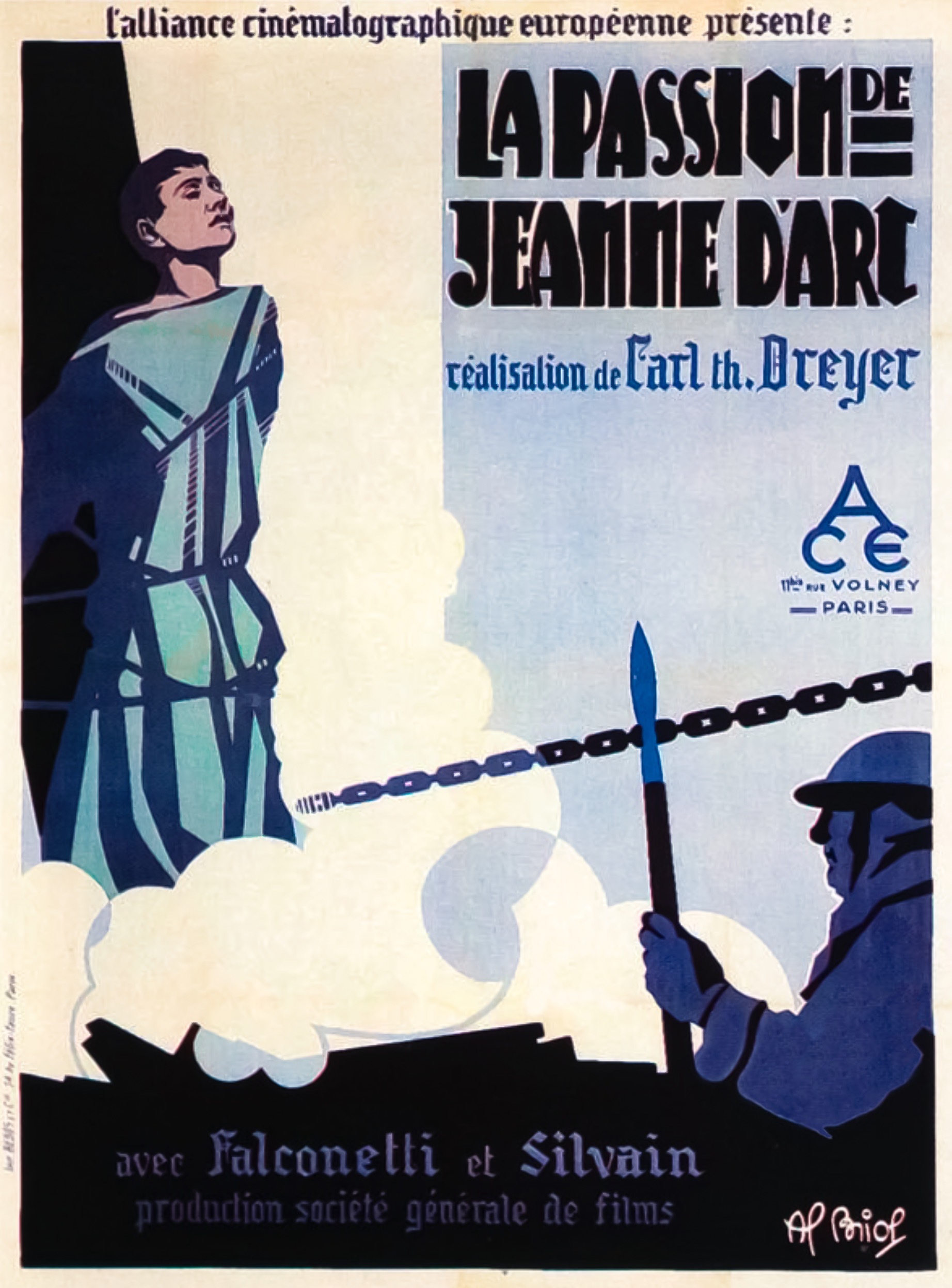
passion of joan of arc movie poster

They say that the film modern audiences know as The Passion of Joan of Arc, is, in fact, not the original cut of the film. They say the original print was destroyed, and not being able to reshoot, Carl Theodor Dreyer re-edited the entire film from footage he had originally cut.

The mind mush reels wondering what the world lost if this is what was first considered unworthy of the picture.

As masterful as the film is, it is not a movie to invite all your friends to come and see. Unless your friends happen to be very serious film buffs. It is in black and white, it is silent, the title cards are in French, and almost all of the movie is just talking. Talking, talking, talking in a silent picture. So, it’s not a film for a frat party, or to play drinking games along with. Though one could get pretty hammered drinking every time Joan cries.

It is a film to watch silently, in a dark room, filled with hunger, filled with pain.

The story settles not on the full, adventurous life of Joan of Arc. There are no mystic visions from the angels. It shows none of the epic battles Joan led. Instead, it focuses on the end of the maiden’s life, her trial and execution.

It is hard to imagine that a silent film, that focuses on a courtroom drama could be so moving. And yet, Dreyer has managed to create cinema more moving than nearly everything that has come after it. This comes in large part from the performance of Joan herself, Maria Falconetti.

Falconetti is shot almost entirely in close-up, and medium shots. In fact, only once or twice do we catch a glimpse of her entire body. She pulls a performance out of her face that is all but brilliant. It is a face that moves mountains. The passion, the pain, and the unbelievable undercurrent of emotion emitting from those close-ups is something of a wonder.

Behind her eyes – my gawd those eyes, orbs of passion they are – behind her eyes lie such courage and fear, such passion and fury that we are no longer viewers of a film, but jurors, judges, and martyrs.

The judges and accusers of Joan of Arc are filmed from tight angles. From below so they tower over us, from sharp angular sides making them appear harsh and menacing. None of the actors used makeup, and the lighting is so acute that every flaw, every nuance of their ugly faces is brought out, spotlighted, and multiplied. These villains are made evil by nothing more than the scowls on their faces.

Yet Joan is shot from above, with a softer light. To look into the camera she must crane her head, appearing as if she is in constant prayer. Her face is smooth and angelic. She is a vision of purity and soft love.

The hero of this film is not the mighty warrior seen in so many other retellings of this story. She is not the wild fighter on a mission from God. She is a small, frail child, filled only with the conviction that she is right, and therefore righteous.

To the French, Joan is a patron saint. A national figure of Christianity and patriotic courage. I once visited the very spot where she was executed, in Rouen, France. It is a small ruined place surrounded by a kitschy wax museum, and pricey souvenirs. Yet it is a singularly moving place, knowing so much history was birthed from this one small spot of earth. It is a bit like standing at Gettysburg, or in Ford’s theatre – moving, tranquil, and magic.

Dreyer has created a picture, not so much about history, or its giants. But a film that reveals the passion and beauty that the cinema and all great art are destined to be.

The Battle of Algiers (1966)

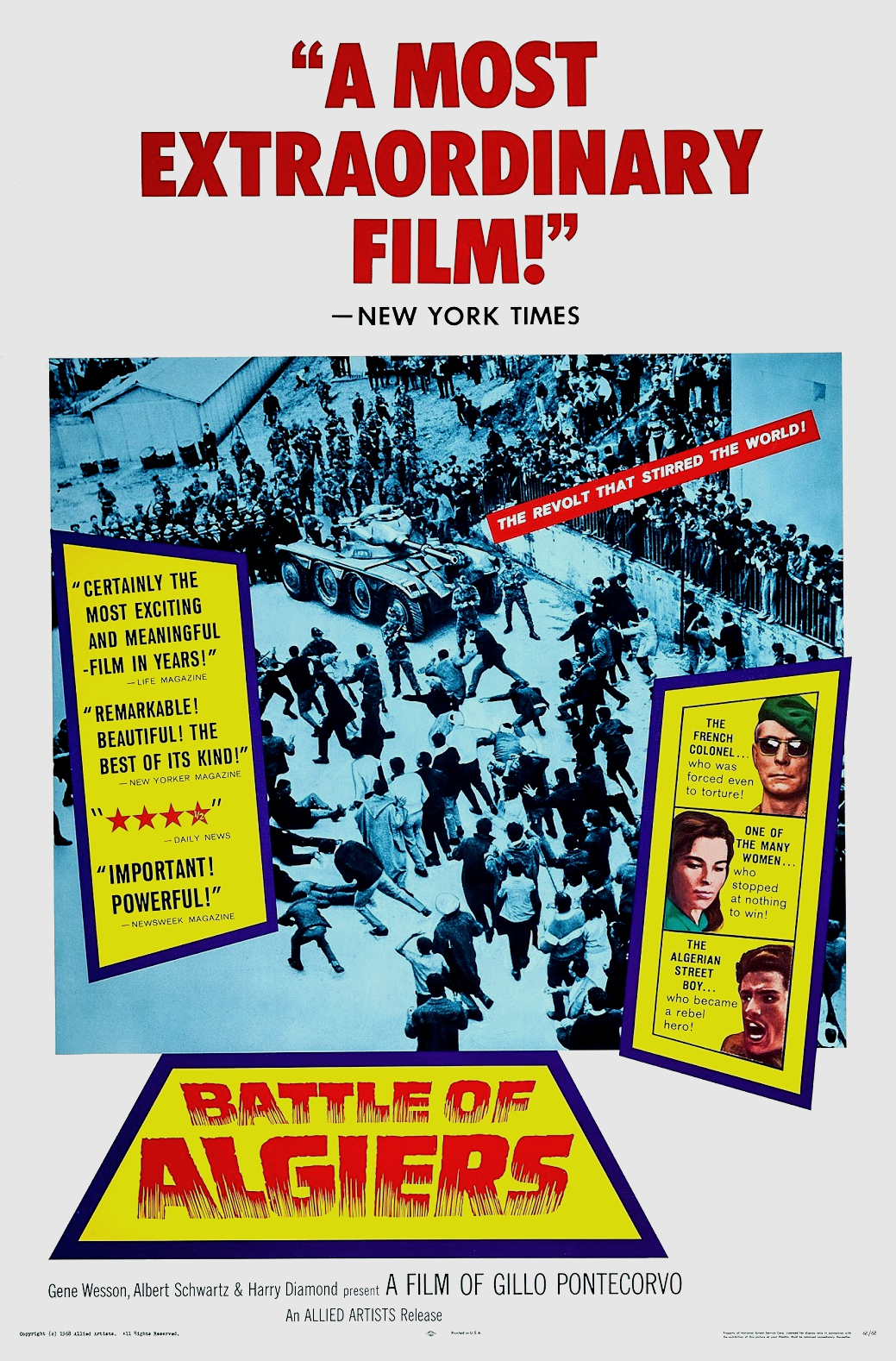
the battle of algiers poster

A man has electrodes attached to his ears and is shocked until he names names, and gives vital information about the revolution. A band of children shouts at an old man “drunkard” as they beat him and send him tumbling down a flight of stairs. A bomb explodes in a café, killing women and children. These are just a few of the horrific images seen in The Battle of Algiers, the 1965 film concerning the Algerian revolution against French colonization. From the start, we are told that no documentary footage was used in the making of the film and that it is all staged. It is an important piece of information, for it looks and feels all too real. The filmmakers used newsreel film stock, existing light, and actual locations to make the movie. This succeeds in sucking the viewer straight into the trenches. We feel as if we were there, plotting with the revolutionaries, struggling with the French army.

While watching this film in 2005 it is easy to think about the war in Iraq. There are many similarities including a large nation occupying a smaller, Muslim country; small bands of revolutionaries who have created an underground network of revolt. Even the methodology of the Iraqi insurgents is similar to the violent acts of the Algerian revolutionaries.

It is a disservice to the power of the film, though, to allow it to only serve our current political landscape. It is, in fact, important to realize that a film about an Algerian revolt against French oppression over 40 years ago, can serve as a springboard to a discussion about US involvement in Iraq. It is a film, that is specifically located, and time capsuled and yet its message is so universal that it can be applied to any war, insurgency, or revolution.

Though the filmmaker’s sympathies clearly lie with the Algerians, no side comes off as humane. The revolutionaries think nothing of bombing innocent people, some of them their own, to further their cause. There are multiple shots of the Algerians shooting policemen at point-blank range.

The French fight dirty as well. In a particularly grueling montage, we see them hideously torture the Algerians to get information. The French leader, Col. Mathieu (Jean Martin), at one point, mentions that the only way to fight off this type of revolution is by using such brutal tactics.

Ultimately, the film left me not with a feeling of rightness for either the French occupation, or the Algerian revolution, but rather despair over the horrendous acts we are capable of as humans.

It is a moving, often gut-wrenching picture, but an undeniably important one. Gillo Pontecorvo has made a film that needs to be watched. Not only to understand the Algerian revolution but to get a better understanding of any form of violence and revolt.

Rififi in Paris (1966)

rififi in paris poster

We now have a library card for the Strasbourg city library. In France, you have to pay an annual fee for a library card. There are actually two different prices, one if you wish to only check out books, and another higher priced card that allows you two check out multi-media items such as DVDs. Hearing that they had a selection of over 900 DVDs Amy and I decided we would shell out the expense of getting that type of card. We calculated that even if we only checked out one movie per week for the remaining time we are here, we would still come out cheaper than if we rented the same amount of films. The funny thing about their movies is that they almost never have any. Out of the 900 owned, there are usually only 6 or 7 of them available for check out at any time. We have been lucky that we’ve been able to find films that we would like to see. Both Rope and The Man Who Knew Too Much both came from the library.

This week I picked up Rififi in Paris thinking it was an old bank robber movie that I have heard good things about. Unfortunately, that film is entitled just Rififi. I am unsure if this is supposed to be a sequel or if it is just a coincidence in the title. There is limited information on The Internet Movie DataBase, and it wasn’t good enough to really look further than that.

The basic story of this film is that an American agent, Charles Binnagio (George Raft), is working undercover in Paris to stop a French group of gangsters. He uses his contact with a high-class hooker to start working for the gangsters by smuggling Gold to Tokyo. After saving the second-in-command mobster, Paulo Berger’s (Jean Gabin) life, Binnaggio is promoted to Berger’s bodyguard. Excitement ensues.

Due to complications involving the regional coding of the DVD I could only watch this film in an English dubbed version. I am universally opposed to dubbed movies, and try my best to only watch films in their original languages with subtitles if necessary. Watching this in the dubbed format was like slow torture. The plot was rather complicated to follow and I am not sure how much to blame on the language problem. What I was able to follow was resolutely bad.

There is no explanation why an American CIA agent would be infiltrating a group of French gangsters. There is a small subplot involving the weapons trade with Cuba, but it is not followed enough to make this the cause of the CIA’s involvement. To move the plot somewhere, a group of New York mobsters begins making threats to Berger and his cohorts to back off of several law-breaking activities. Violence ensues.

Binnaggio is so bad as an undercover agent that it is sheer movie magic that keeps him from being found out and killed. He visits the American consulate at will, talks with other agents as he pleases, and even snoops around the big boss’s house. It is surprising to see the French gang doing so well since they seem to have no ability to pay attention to their own members. The movie tries to build tension by having Binnaggio nearly found out or caught on a couple of occasions, but then the action moves forward and the enemy seems to forget. What little tension is built, always dies rather fast.

There is an odd quirk with the filming of this picture. More times than I could count there is a mirror located somewhere in the shots. Often we see one or more of the reflections of the character in the mirror, but many times we see only part of the stage. Once we even see a character’s reflection in a well-polished wall. I’m sure the filmmakers were attempting something meaningful out of all these reflections, but what that could be is beyond me. I was too busy being appalled by the sheer stupidity of the film to be bothered with such trivialities.

Amelie (2001)

amelie poster

There are some films that are pure joy to watch. These are films to be watched, cherished, and loved over and over again. There are certainly films that I may not herald as perfect cinematic achievements, but bring a smile to my face, and warmth to my heart. Amelie is such a film.

Jean Piere Jeunet made a series of dark, depressing films before Amelie. They seem to come from some strange crossing of Brazil-era Terry Gilliam and HR Giger-inspired Alien landscapes. In fact, Pierre directed the 4th installment of the Alien franchise, Alien Resurrection. Prior to Amelie‘s huge success, he was only known in the US for this picture. This is a shame, because her previous two films (Delicatessen and City of Lost Children) are real gems.

In Amelie, Jeunet has lost his Orwellian vision and has come up top of the world into the clear, blue sky. Amelie is alive with color and beauty. It is as if his first three films were harrowing graphic novels, and this one is a bright, technicolor Saturday morning cartoon. It is even a change of story for the director. Where his previous films concerned such meaty subjects as cannibalism, child murder, and those bloody awful Aliens, here is a simple story about making people happy. I’m not sure what caused these changes in the director, but it is a treasure to behold.

The story revolves around Amelie (Audrey Tautou), a shy, quiet, and lonely young woman living in the Montmartre section of Paris. Through a random series of events, she decides to make people happy. The means by which she manages this, and the heart of the movie, is through devising an extraordinary, and quirky, series of stratagems. For example, in order to bring some excitement into her saddened father’s life, she kidnaps his garden gnome and sends it across the globe with an airline stewardess. Her father sees the gnomes through a series of photographs taken with it standing near national monuments. The entire film is played out with child-like innocence and beauty. Jeunet uses his camera to create images that are light and joyous. Audrey Tautou plays Amelie like a pixie who is bursting inside to tell the world’s funniest joke.

Having visited Paris before watching this film again I found an additional joy by noticing the little details unknown to me in previous viewings. I have walked the steps of the Sacre Couer, seen the photograph kiosks in the train station, and seen the top of Notre Dame. These actions did not bring any further realizations into the film but brought a little more joy to my viewing. It is like when a film is set in an area you once lived in. It may not have anything to do with you, but there is a pleasant joy in knowing where the events take place.

The film does not look or feel like the Paris that I visited last Christmas. It is almost a fairy tale version of the city. A city that, as an American, I conjured up with such names as “City of Light, City of Love.” The reality is a much darker, dirtier sort of place. But in this film everything is lighted beautifully, there is no garbage piling up on the streets, and the metro stations look lovely. Even the people if not always cheerful, are quirky and cute in their unhappiness.

There are other films that achieve more in their 2 odd hours of screen time, than Amelie. Though I could site more serious, and relevant films, it would be difficult to find one so full of innocent joy.